Skip to content
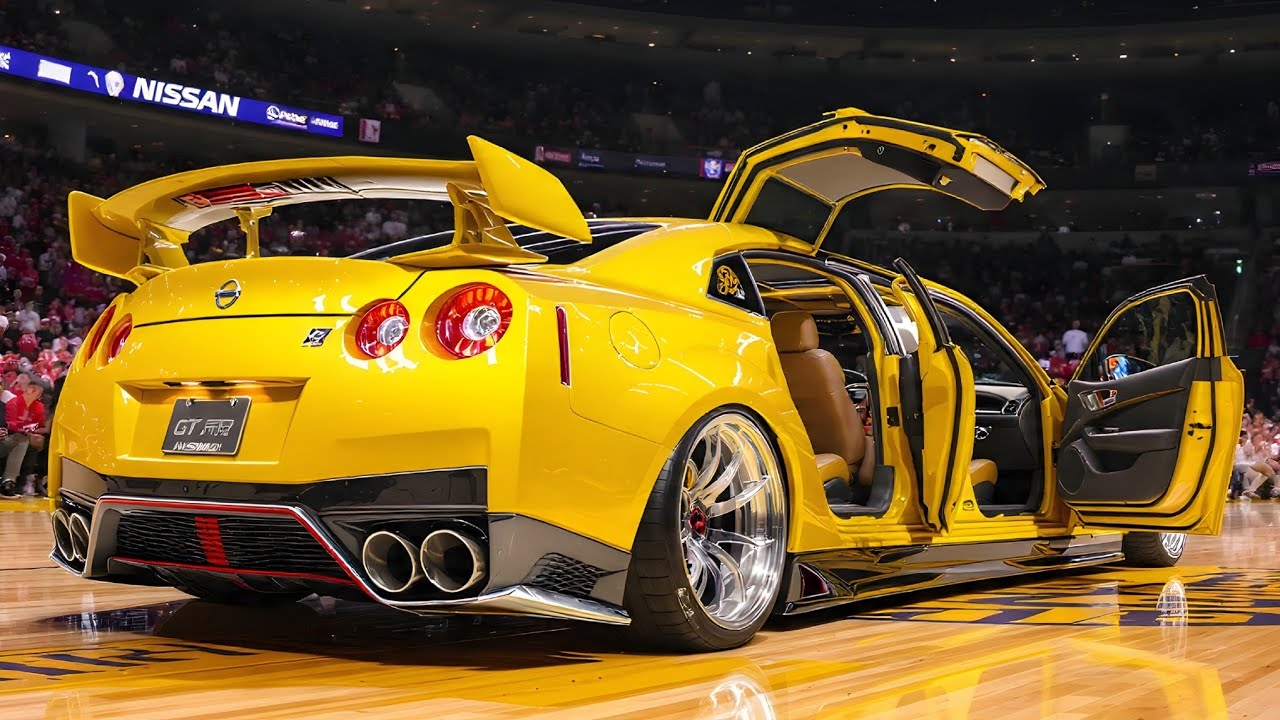
The 2026 Nissan GT‑R R36 Nismo Concept is the newest chapter in a saga that began more than three decades ago. From the moment the original Skyline GT‑R hit the track, the name “Godzilla” has been synonymous with brute‑force acceleration, razor‑sharp handling and an attitude that refuses to compromise. As the automotive world speeds toward electrified performance, Nissan is daring to combine that legendary spirit with cutting‑edge hybrid technology. The result is a car that feels at once familiar and revolutionary – a vehicle that could redefine what a modern supercar looks like, sounds like, and drives like.

What the R36 Nismo Concept Represents
The R36 is not simply a facelift of the R35; it is a re‑imagining of the GT‑R DNA for an era where power can no longer be measured solely by the size of a combustion engine. Nissan’s engineering team has taken the lessons learned from decades of motorsport and high‑performance road cars and wrapped them around a hybrid drivetrain that pairs a twin‑turbo V6 with a high‑output electric motor. This marriage creates a powerplant that can exceed 900 horsepower while still delivering the visceral rear‑wheel‑push feel that enthusiasts have come to expect.
Beyond raw numbers, the concept is a statement about balance. It proves that a brand can stay true to its heritage while embracing the inevitable shift toward electrification. The R36 aims to keep the GT‑R’s aggressive character, its unmistakable sound, and its track‑focused cockpit, yet it does so with an eye on efficiency, emissions compliance, and the future of performance engineering.

Design Language: Aggression Meets Aerodynamics
Every line on the R36 has been sculpted for a purpose. The front fascia is narrower than its predecessor, with a low‑profile splitter that directs air around the sidepods and into the twin‑turbochargers. Slim LED headlights sit beneath a more pronounced “Nismo” grille, which can open automatically for increased cooling during hard driving.
The side profile showcases a long, muscular beltline that houses a new active aerodynamic system. Small flaps embedded in the front bumper, doors, and rear diffuser can open or close in milliseconds, optimizing downforce on the track while reducing drag on the highway.

At the rear, a larger fixed wing sits higher than before, its angle of attack controlled by a suite of sensors that monitor speed, yaw, and lateral G‑force. The wing works in concert with a new rear diffuser that channels airflow under the car, generating stability at speeds well beyond 200 mph.
Carbon‑fiber is used extensively—not only for the roof and rear hatch but also for the front and rear subframes. This choice slashes unsprung weight, helping the car maintain sharp, responsive handling despite the added mass of the hybrid system.

Powertrain Architecture: Hybrid Muscle
The heart of the R36 is a 3.0‑liter twin‑turbo V6 that has been heavily revised for higher boost pressures and improved thermal efficiency. Coupled to this is a 150 kW electric motor mounted on the rear axle, delivering instant torque from zero to 5,000 rpm. Together, the system is expected to produce close to 900 horsepower and 950 lb‑ft of torque.
A 6.5 kWh lithium‑ion battery pack sits low in the chassis, protected by a reinforced safety cage. The battery can be charged via regenerative braking, a dedicated Level 2 charger, and a fast‑charge DC port capable of delivering 80 percent capacity in under 30 minutes.

The hybrid layout eliminates traditional turbo lag: as soon as the driver lifts off the throttle, the electric motor continues to supply torque, keeping acceleration seamless. When the driver floors it, the electric motor fills in the low‑end torque gap while the turbos spool up, resulting in a launch that feels both brutal and buttery.
A nine‑speed dual‑clutch transmission, tuned for rapid shifts, channels power to an advanced all‑wheel‑drive system. Torque vectoring differentials at both the front and rear can independently brake or power each wheel, allowing the R36 to rotate around corners with astonishing precision.

Performance Targets: Numbers and Feel
While Nissan has not released an official spec sheet, leaked test data and reputable sources suggest the following targets:
- 0–60 mph in under 2.0 seconds, with a standing 400‑meter launch time around 8.5 seconds.
- Quarter‑mile time in the low 9‑second range, hitting a trap speed near 155 mph.
- Top speed limited electronically to 215 mph, though earlier prototypes have hinted at a potential 225 mph figure.
- Lateral G‑force capability exceeding 1.5 g on a calibrated skid pad, thanks to the combination of active aero and torque vectoring.
Beyond the raw speed, the R36 is engineered to be road‑legal in most major markets, featuring a refined suspension that can adapt between a comfort‑oriented “Touring” mode and a hard‑core “Track” setting. In the latter, the car can lower its ride height by 40 mm, stiffen the anti‑roll bars, and activate the active aerodynamics for maximum downforce.
Interior: Driver‑Centric Cockpit
Inside, the R36 abandons many of the traditional analog gauges in favor of a fully digital instrument cluster that can be customized to display engine maps, battery state, and aerodynamic settings. A central 12.3‑inch touchscreen controls infotainment, climate, and navigation, while a secondary display behind the driver’s seat shows real‑time telemetry data such as wheel slip, G‑force, and battery temperature.
Seats are lightweight, carbon‑reinforced shells wrapped in Alcantara, offering excellent lateral support during aggressive cornering. The steering wheel is a slender, three‑spoke Nismo unit with removable paddles for clutchless gear changes and a built‑in rotary dial to switch driving modes on the fly.
Despite the high‑tech focus, Nissan has retained tactile feedback—shifters, buttons, and the steering wheel all provide a mechanical feel that reinforces the connection between driver and machine.
Challenges and How Nissan Overcomes Them
Merging a high‑output hybrid system with a supercar platform brings several technical hurdles.

Heat Management – The twin turbos and electric motor generate substantial heat. Nissan counters this with a multilayer liquid cooling system that routes coolant through the turbo housing, motor housing, and battery pack. Additional air intakes beneath the front bumper and along the side skirts feed coolant radiators, ensuring temperatures stay within optimal ranges even during extended track sessions.
Weight Distribution – Hybrid components can add several hundred kilograms. By placing the battery pack low and central, and using carbon‑fiber chassis elements, Nissan achieves a near‑ideal 45:55 front‑to‑rear weight balance.

Acoustic Identity – Critics fear that electrification will mute the iconic GT‑R roar. Nissan has engineered a bespoke exhaust system that amplifies the natural frequency of the V6, while an artificial “engine note” generated by the electric motor blends seamlessly during low‑speed electric‑only driving. The result is a soundtrack that feels both modern and unmistakably GT‑R.
Regulatory Compliance – Emissions standards across the globe are tightening. The hybrid architecture allows the internal combustion engine to operate in its most efficient zones for the majority of driving, while the electric motor handles low‑speed city traffic, ensuring the car meets or exceeds upcoming mandates.
Market Timeline and Expected Pricing
Industry sources indicate Nissan will unveil a fully functional R36 prototype at the 2025 Tokyo Motor Show, followed by a North American debut at the 2025 Los Angeles Auto Show. Production is slated to begin in the latter half of 2026 at Nissan’s Yokohama plant, with a limited run of roughly 2,500 units worldwide.
Pricing is projected to start around $210,000 for the base “Nismo” trim, with higher‑spec “Racing” and “Limited” editions ranging up to $280,000. These figures reflect the extensive use of carbon‑fiber, advanced hybrid components, and hand‑built assembly processes.
Industry Reaction and Enthusiast Outlook
The first wave of journalist impressions has been overwhelmingly positive. Test drives conducted by several automotive publications reported launch times that rival or beat current hypercars, while noting that the R36 retains a tactile, driver‑focused feel often missing from electric‑centric rivals.
Online forums are buzzing with speculation about the exact power output, the possibility of a track‑only “R‑Spec” variant, and the implications for Nissan’s broader performance lineup. Many enthusiasts see the R36 as a litmus test: if Nissan can successfully marry hybrid efficiency with the raw emotional appeal of a traditional GT‑R, it could set a blueprint for other manufacturers.
Conversely, some purists remain skeptical, fearing that the addition of an electric motor could dilute the historic “metal‑on‑metal” experience. Nissan’s response—an acoustic exhaust and a driver‑first cockpit—appears designed to address these concerns directly.
What Sets the R36 Apart From Its Competitors
- Hybrid Torque Fill – The electric motor eliminates turbo lag, delivering a linear acceleration curve that few rivals can match.
- Active Aerodynamics – Adjustable front splitter, rear wing, and underbody diffusers work together in real time, providing optimal downforce without sacrificing top‑speed stability.
- Carbon‑Fiber Architecture – Extensive use of lightweight composites reduces overall mass, enhancing both performance and fuel efficiency.
- Driver‑Centric Telemetry – Built‑in AI analytics deliver on‑track feedback, allowing drivers to refine their technique lap after lap.
- Limited Production – With a capped production run, the R36 retains an exclusivity that fuels collector demand and maintains brand cachet.
FAQs
1. Will the R36 be available with a fully electric driving mode?
Yes. The hybrid system supports an electric‑only mode for city driving, delivering up to 50 miles of range on a single charge, after which the gasoline engine seamlessly takes over.
2. How does the R36 handle battery cooling?
A dedicated liquid‑to‑air heat exchanger circulates coolant through the battery cells, while additional air vents at the front bumper increase airflow during high‑load situations.
3. Is the R36 street‑legal in the United States?
Nissan plans to certify the R36 for US road use, meeting all EPA emissions and FMVSS safety standards.
4. What warranty does Nissan offer for the hybrid components?
The powertrain, including the electric motor and battery pack, will carry an eight‑year/100,000‑mile warranty, comparable to other high‑performance hybrid models.
5. Can owners upgrade the software for performance tuning?
Nissan will provide over‑the‑air (OTA) updates that can adjust power delivery, traction control parameters, and aerodynamic settings, but any performance‑focused upgrades will require dealer approval to ensure reliability and safety.
Short Disclaimer
The specifications, performance figures, and pricing mentioned above are based on publicly available information, industry leaks, and analyst projections. Nissan has not officially confirmed all details, and actual production models may differ. This article is for informational purposes only and does not constitute an endorsement or a guarantee of any particular feature or availability.