Introduction
Toyota has built its reputation on dependable cars that people can count on day after day. The 2026 Toyota Corolla Pickup is the brand’s latest experiment, marrying the well‑known Corolla nameplate with a compact, work‑oriented pickup body. The result is a vehicle that feels at home on a crowded city street, yet can haul a modest load of garden tools, a small boat, or a weekend‑ready camping rig. This article walks through the key traits of the new Corolla Pickup, why it matters to today’s drivers, and what you can expect if you’re thinking about adding one to your garage.
What the Corolla Pickup Is
At its core, the Corolla Pickup is a re‑imagined Corolla that retains the small‑car platform while adding a short cargo box in the rear. The wheelbase stays close to the sedan’s, giving the vehicle excellent maneuverability in tight spaces. The bed measures roughly five feet, enough for a few pallets, a set of luggage, or a pair of folding chairs. By keeping the overall length under 175 inches, Toyota ensures the truck can still fit into standard parking spots and residential driveways.

The idea behind the model is to fill a growing niche: drivers who want a vehicle that can serve both as a daily commuter and a light‑duty workhorse. Compact pickups have been gaining market share in regions where fuel costs are high and city congestion is a daily reality. The Corolla Pickup blends the low‑maintenance Corolla DNA with a practical cargo solution, creating a unique proposition in a crowded segment.
When the Model Will Arrive
Toyota has slated the Corolla Pickup for a second‑quarter launch in 2026. Pre‑orders are expected to open toward the end of 2025, with a limited initial production run aimed at gauging demand in North America, Australia, and selected European markets. The company has hinted that the first deliveries will target dealers in the United States and Canada, followed by a staggered rollout to other regions later in the year. Because the initial numbers may be modest, interested buyers are advised to place a reservation as soon as the paperwork becomes available.

Powertrain and Drivetrain
The standard powerplant is a 1.8‑liter inline‑four engine that produces about 140 horsepower and 130 pound‑feet of torque. Coupled with a six‑speed automatic transmission, the setup delivers a smooth, responsive feel well suited for stop‑and‑go city traffic and modest highway cruising. Fuel economy is a selling point, with Toyota quoting roughly 32 mpg city and 40 mpg highway for the gasoline‑only version.
For those who prioritize efficiency, a hybrid variant adds a modest electric motor that bumps the combined output to around 170 horsepower. The hybrid’s fuel‑economy rating climbs to the mid‑40s mpg combined, while still meeting the same payload and towing limits as the conventional model.

Front‑wheel drive comes standard, but an optional all‑wheel‑drive (AWD) system is available for drivers who need extra traction in wet, snowy, or light‑off‑road conditions. The AWD system operates primarily as an on‑demand clutch that engages the rear wheels when slippage is detected, preserving fuel efficiency when full traction isn’t required.
Exterior Design
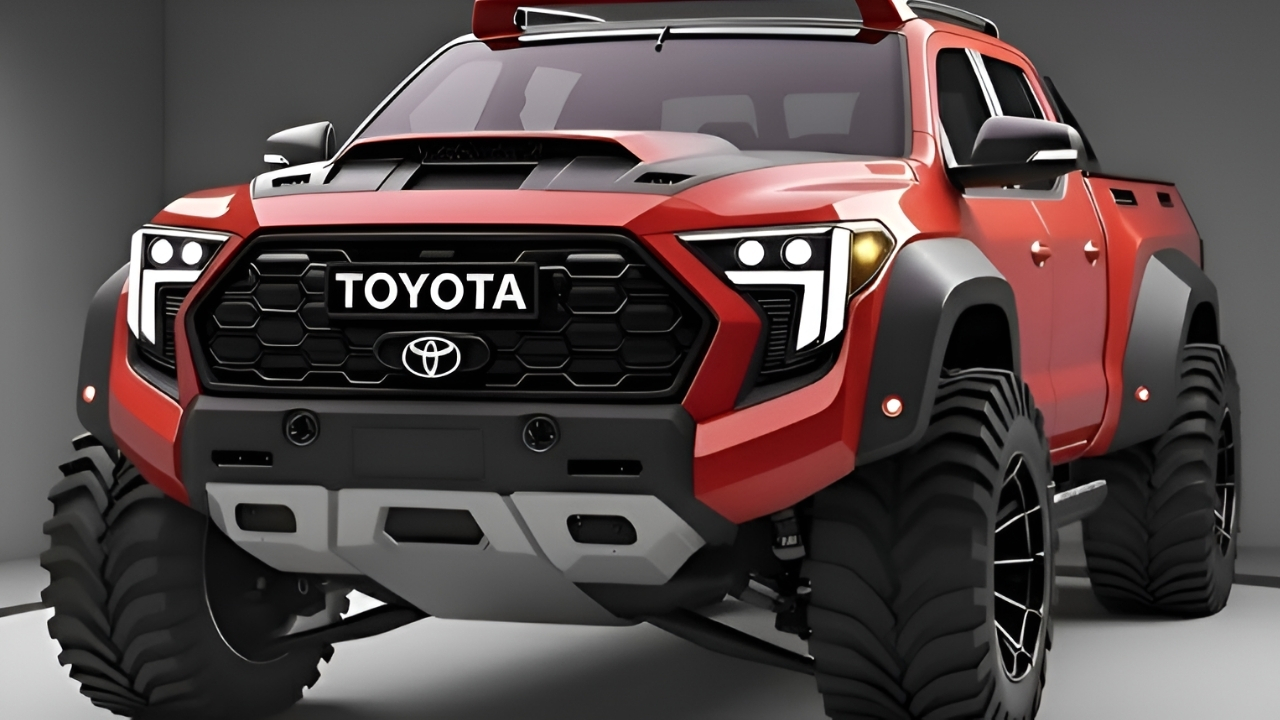
Toyota didn’t simply slap a bed onto an existing Corolla; the pickup features a cohesive design language that feels purposeful. The front fascia showcases a larger, trapezoidal grille flanked by slim LED headlights, giving the truck a bolder presence than its sedan sibling. The bumper is reinforced with blacked‑out cladding, hinting at the vehicle’s utility intent.

The cargo box is integrated into the rear C‑pillar, creating a slick transition that avoids the “truck‑on‑top‑of‑car” look that can make compact pickups feel awkward. Tie‑down hooks are molded into the floor of the bed, and a low‑profile tailgate with a built‑in step makes loading and unloading easier. Wheel sizes range from 16‑inch steel units on the base model to 17‑inch alloy designs on higher trims, balancing ride comfort with a touch of ruggedness.
Interior and Technology
Inside, the Corolla Pickup retains the Corolla’s reputation for ergonomics while adding durability where it counts. The seats are upholstered in a water‑resistant fabric that can handle spills and dust from work sites. Cabin space is generous for a vehicle in this size class, offering ample headroom and legroom for both front and rear passengers.

A 9‑inch touchscreen anchors the infotainment system, delivering Apple CarPlay, Android Auto, and wireless Bluetooth connectivity. The interface runs on Toyota’s latest version of Entune, which includes over‑the‑air updates, voice control, and a built‑in navigation package on higher trims. A digital instrument cluster provides essential driving data, while a rear‑view camera with dynamic guidelines assists during tight parking maneuvers.
Safety is bolstered by Toyota Safety Sense 3.0, comprising adaptive cruise control, lane‑keeping assist, automatic emergency braking, and a pedestrian‑detection system. A blind‑spot monitor with rear‑cross‑traffic alert rounds out the driver‑assistance suite, making the Corolla Pickup a solid choice for commuters who spend a lot of time on the road.

Practical Features
The Corolla Pickup’s practicality stems from a blend of clever engineering and sensible appointments. The compact footprint makes it easy to navigate congested downtown streets, yet the bed’s depth allows for a surprising amount of cargo. Integrated cargo tie‑downs, a lockable tailgate, and a modest 1,500‑pound towing capacity mean the truck can handle a small trailer, a horse trailer for a child’s pony, or a set of portable generators.
Because the vehicle is built on a car platform, ride quality feels more car‑like than that of a traditional truck. Suspension tuning strikes a balance between comfort and load‑bearing ability, letting drivers enjoy a smooth commute while still feeling confident when the bed is loaded. The optional AWD system also widens the range of environments where the truck can be used, from rainy urban avenues to light forest trails.

Addressing Common Concerns
One frequent question is whether a Corolla‑based pickup can hold up to regular work duties. The answer lies in expectation management: the Corolla Pickup isn’t designed to replace a full‑size work truck, but it excels at light‑duty tasks such as moving boxes, delivering small parcels, or transporting recreational gear. Its 1,500‑pound towing limit is modest but sufficient for most weekend projects.
Another worry involves performance. While a 140‑horsepower engine may not sound exhilarating, the power is ample for everyday driving and delivering the required torque for low‑speed hauling. The hybrid variant adds a smoother power curve, making acceleration feel more effortless, especially when the vehicle is fully loaded.

Finally, some skeptics wonder if the added bed compromises passenger comfort. Toyota has kept the cabin dimensions similar to the sedan, and the rear seat space remains comfortable for adults on short trips. The cargo box is positioned low enough that it doesn’t raise the vehicle’s center of gravity dramatically, preserving handling characteristics.
Recent Updates from Toyota
In the months leading up to the official launch, Toyota released a series of teasers highlighting new technology integrations. The latest Windows‑style infotainment system now supports over‑the‑air map updates and includes a built‑in Wi‑Fi hotspot for passengers. Toyota also announced that all Corolla Pickup models will ship with a 12‑volt accessory outlet in the cargo bed, allowing for portable power tools or camping equipment to be plugged in directly.

Another notable update is the introduction of a “Work‑Ready” trim level, which adds a heavy‑duty bed liner, reinforced rear bumper, and a set of roof rails for mounting cargo carriers. This trim is aimed at small‑business owners who need a durable, low‑maintenance vehicle for daily operations.
Final Thoughts
The 2026 Toyota Corolla Pickup is more than a novelty; it’s a strategic answer to a changing market where drivers want efficiency, reliability, and just enough utility to get the job done. By leveraging the proven Corolla platform, Toyota has created a compact truck that feels familiar yet fresh, comfortable yet capable. Whether you’re a city dweller who occasionally needs to haul a bike rack, a weekend explorer who enjoys a quick off‑road jaunt, or a small‑business owner looking for an affordable work vehicle, the Corolla Pickup offers a compelling mix of attributes.

Its blend of fuel‑efficient engines, optional hybrid power, versatile drivetrain choices, and thoughtful design make it a strong contender in the emerging compact pickup segment. As the model rolls out in 2026, early adopters will set the tone for how this crossover of sedan reliability and truck practicality reshapes expectations for future vehicle designs.
Frequently Asked Questions
1. What is the payload capacity of the Corolla Pickup?
The standard model can carry up to 1,000 pounds of cargo in the bed, while the hybrid version shares the same limit. The payload rating includes passengers and any additional equipment stored inside the cabin.
2. Does the Corolla Pickup have a manual transmission option?
No. Toyota has equipped the Corolla Pickup exclusively with a six‑speed automatic transmission to keep the driving experience smooth and to complement the vehicle’s efficiency goals.
3. How does the fuel‑economy of the hybrid compare to the gasoline‑only version?
The hybrid variant delivers roughly 45‑mile‑per‑gallon combined rating, compared with about 36 mpg combined for the gasoline engine. The hybrid also offers a modest torque boost, making it feel slightly more responsive under load.
4. Can I install a roof rack or a bike carrier on the Corolla Pickup?
Yes. The vehicle comes with factory‑mounted roof rails on higher trims, and aftermarket kits are available for lower trims. The roof’s load rating is sufficient for bike carriers, cargo boxes, or light rooftop gear.
5. What warranty coverage does Toyota provide for the Corolla Pickup?
Toyota offers its standard 3‑year/36,000‑mile bumper‑to‑bumper warranty, along with a 5‑year/60,000‑mile powertrain warranty. The hybrid battery is covered for 8 years or 100,000 miles, whichever comes first.
Disclaimer
The information presented in this article is based on publicly available data and manufacturer announcements as of December 2025. Specifications, availability dates, and feature lists are subject to change before the vehicle’s official release. Prospective buyers should verify details with an authorized Toyota dealer.