Introduction
The 2026 Toyota RAV4 arrives as the most talked‑about compact SUV of the year. Building on a reputation for rock‑solid reliability, the new model brings a complete redesign that touches every aspect of the vehicle – from its sharper silhouette to a cabin that feels more upscale, and from a refreshed suite of driver‑assist tools to powertrains that balance performance with efficiency. Whether you’re ferrying family members, tackling a daily commute, or heading out on a weekend adventure, the 2026 RAV4 promises a blend of practicality, technology, and comfort that feels contemporary without losing the dependable DNA that has defined the nameplate for decades.
Exterior Design
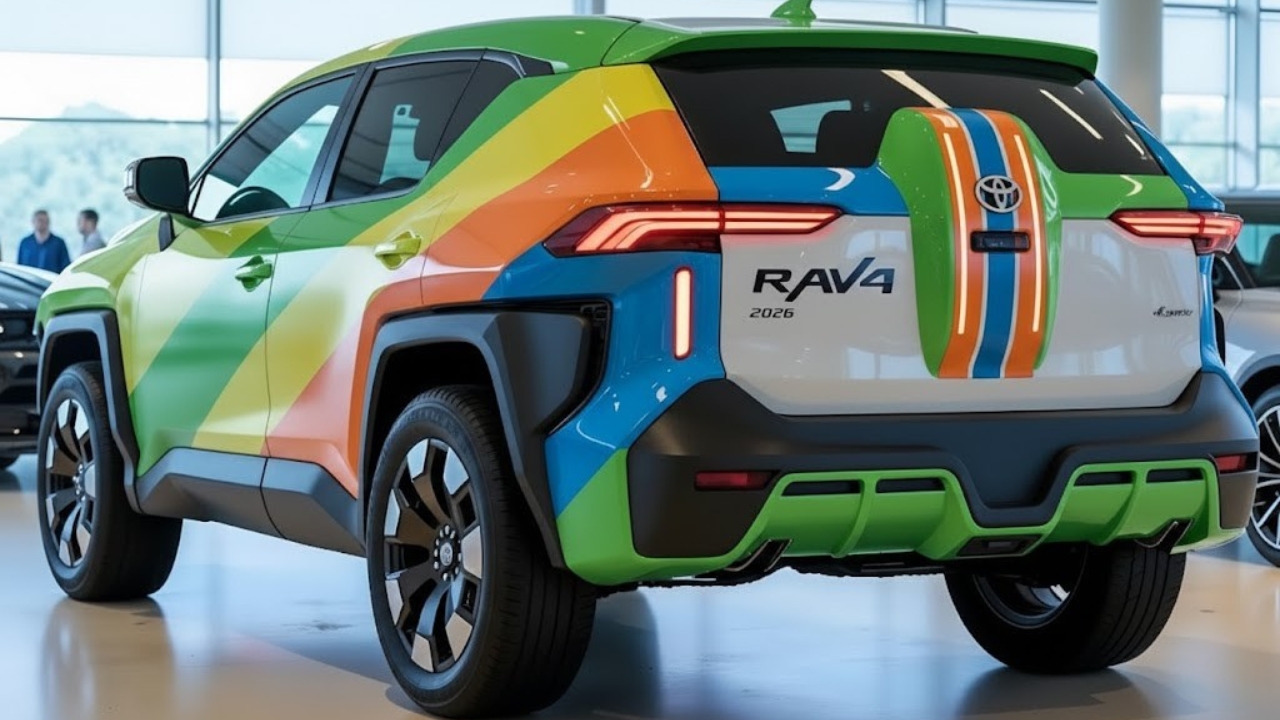
Toyota gives the 2026 RAV4 a bolder, more aerodynamic profile while retaining the confident stance that makes it instantly recognizable as a crossover. The front end features a newly sculpted grille with aggressive, angular air inlets and sleek LED headlights that incorporate a distinctive daytime running light signature. Body panels are more deeply creased, helping to guide airflow and reduce drag. Across the range, wheels have been redesigned in sizes ranging from 18‑inch to 19‑inch, each with a fresh alloy pattern that underscores the vehicle’s modern character. At the rear, a high‑mounted LED tail‑lamp assembly stretches across the width, while a recontoured bumper adds clearance for light off‑road use. Adventure‑oriented trims receive matte‑finish protective cladding and optional two‑tone paint schemes that add personality without compromising durability.

Interior and Comfort
Inside, the 2026 RAV4 feels significantly more refined. The dashboard has been widened to accommodate larger displays, and the layout emphasizes a clean, uncluttered look that reduces visual noise. Soft‑touch surfaces replace many of the hard‑plastic elements found on previous generations, and stitching on the seats and door panels adds a touch of craftsmanship. Seating has been re‑engineered for better support on long drives, with the driver’s seat offering additional lumbar adjustment and the rear bench featuring a split‑fold mechanism that drops flat with a single latch. Storage solutions have been expanded: the center console now houses deeper bins, and additional USB‑C ports are scattered throughout the cabin to keep devices charged. An optional panoramic roof floods the interior with natural light, amplifying the sense of space.
Infotainment and Technology
Technology is a centerpiece of the 2026 RAV4. Toyota’s latest multimedia system replaces the older unit with a larger, 12.3‑inch high‑resolution touchscreen that runs a more intuitive user interface. The system supports wireless Apple CarPlay and Android Auto, eliminating the need for cables when connecting smartphones. A fully digital instrument cluster appears behind the steering wheel on higher‑trim models, delivering speed, navigation, and vehicle information in crisp graphics. Over‑the‑air updates allow the software to stay current without a dealership visit, while a 360‑degree camera suite gives drivers a bird’s‑eye view of the surroundings. Optional upgrades include a premium JBL audio package, a smart voice assistant for climate and navigation commands, and a wireless charging pad for compatible devices.

Powertrain and Performance
Toyota expands its powertrain lineup for the 2026 RAV4, offering three distinct options. The base gasoline engine is a revised 2.5‑liter four‑cylinder that delivers smoother torque delivery and a modest bump in horsepower. Hybrid variants pair this engine with an electric motor, producing up to 219 hp and achieving fuel‑economy figures that rival many dedicated hybrids. For those seeking longer electric‑only trips, a plug‑in hybrid (marketed as the RAV4 Prime) offers an upgraded battery pack, granting roughly 35‑mile electric range before the gasoline engine assists. All powertrains are mated to an eight‑speed automatic transmission that has been retuned for quicker shifts and a more responsive feel. An all‑wheel‑drive system is available across the board, with a torque‑vectoring variant that improves traction on slippery surfaces.
Ride Quality and Handling
The chassis receives a thoughtful makeover that enhances both comfort and agility. A revised suspension geometry, featuring a slightly softer rear spring and recalibrated dampers, smooths out city potholes while preserving composure on highway cruising. The body structure incorporates additional high‑strength steel, which increases rigidity without adding excessive weight. As a result, steering feels lighter and more precise, making lane changes effortless. Noise‑dampening materials line the floor and firewall, reducing wind and road noise inside the cabin. The RAV4’s stability control system has been updated to adapt to varying terrain, delivering confidence whether you’re navigating tight urban corners or tackling a gravel backroad.

Safety and Driver Assistance
Toyota’s latest Safety Sense suite equips the 2026 RAV4 with a comprehensive set of active safety features. Adaptive Cruise Control now includes lane‑centering assistance that can handle gentle curves at low speeds. The lane‑trace function has been refined for better accuracy, while the pre‑collision system expands its detection field to cover a wider range of obstacles, including cyclists and pedestrians. Blind‑spot monitoring and rear‑cross‑traffic alert provide extra awareness during lane changes and reverse maneuvers. Additionally, the system offers road‑sign recognition, driver‑attention monitoring, and automatic emergency braking that can intervene even when the driver is looking away. These technologies work together to create a protective bubble around the vehicle, helping to prevent accidents before they happen.
Practicality and Utility
Practicality remains a core strength of the RAV4, and the 2026 iteration builds on that foundation. The cargo floor sits lower than before, allowing heavier items to be loaded with less effort. The rear seats fold flat using a new quick‑release latch, creating a flat load surface that can accommodate longer objects such as skis or lumber. Roof rails retain their sturdy design, ready to hold bike racks, cargo boxes, or rooftop tents. Inside the cabin, multiple 12‑volt outlets and USB‑C charging ports are strategically placed for passengers in the front and rear. An optional hands‑free power tailgate can be opened with a foot swipe under the bumper, adding convenience when your hands are full. All‑wheel‑drive models now come with a modest towing capacity, enabling the RAV4 to pull small trailers or boat trailers for weekend getaways.

Pricing and Availability
Toyota positions the 2026 RAV4 competitively within its segment. The entry‑level gasoline model starts around $31,000, while mid‑range trims equipped with additional comfort and tech packages fall between $34,000 and $39,000. Hybrid variants begin near $36,000, reflecting the added efficiency and powertrain complexity, and the plug‑in hybrid RAV4 Prime commands a price of roughly $46,000. Optional adventure and premium packages, which add off‑road accessories, upgraded sound systems, and interior trims, are priced separately. Production is slated for early 2025, with deliveries to dealerships expected in the first quarter of 2026 across North America, Europe, and select Asian markets.
Final Verdict
The 2026 Toyota RAV4 represents a thoughtful evolution rather than a radical departure. Its sharper exterior, more upscale interior, enhanced infotainment, and broadened powertrain choices give the model a fresh appeal, while the underlying reputation for durability and resale value stays intact. Improved ride comfort, refined handling, and an expanded safety suite elevate everyday driving to a more confident and enjoyable experience. For buyers who need a versatile vehicle that can juggle family duties, commuting, and occasional adventure without compromising on technology or efficiency, the 2026 RAV4 stands out as a compelling, well‑rounded choice in the crowded compact SUV arena.

Frequently Asked Questions
1. How does the fuel economy of the plug‑in hybrid compare to the standard hybrid?
The plug‑in hybrid offers an electric‑only range of roughly 35 miles, after which it operates like a conventional hybrid. Combined fuel‑economy ratings are about 40 mpg city/38 mpg highway, while the regular hybrid averages around 30 mpg city/28 mpg highway.
2. Is the all‑wheel‑drive system required for the hybrid models?
No. Both gasoline and hybrid powertrains are available with front‑wheel drive or optional all‑wheel drive, giving buyers flexibility based on climate and driving needs.

3. What warranty coverage does Toyota provide for the 2026 RAV4?
Toyota continues to offer a 3‑year/36,000‑mile basic warranty, a 5‑year/60,000‑mile powertrain warranty, and an 8‑year/100,000‑mile hybrid battery warranty for hybrid and plug‑in variants.
4. Does the RAV4 support over‑the‑air updates for its infotainment system?
Yes. The latest multimedia platform can receive software updates wirelessly, ensuring navigation maps, safety features, and entertainment apps stay current without a dealership visit.

5. Are there any special trim levels aimed at outdoor enthusiasts?
Toyota introduces an “Adventure” trim that includes matte‑finish cladding, higher‑ground‑clearance suspension, all‑terrain tires, roof‑rack crossbars, and exclusive interior accents. This trim is designed for drivers who frequently venture off the paved road.
Disclaimer
The information presented here reflects current specifications and pricing estimates for the 2026 Toyota RAV4 as of the date of publication. Details are subject to change without notice, and availability may vary by region and dealership. Prospective buyers should verify the latest data with an authorized Toyota dealer before making a purchase decision.