A Modern Revival of an American Legend
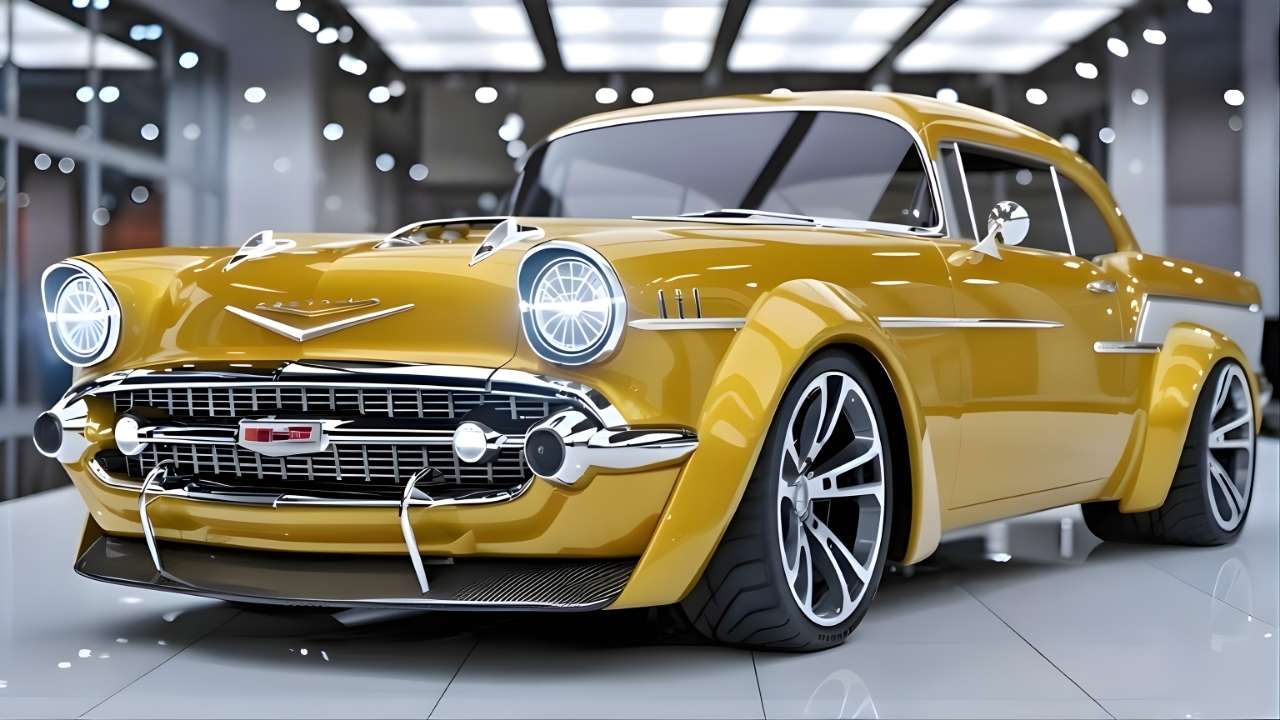
The Chevrolet Bel Air has always been more than just a car; it’s a cultural icon that has shaped the image of mid‑century America. For 2026 Chevrolet is bringing the nameplate back to life, not as a museum piece but as a contemporary midsize sedan that respects the original’s sleek silhouette while delivering today’s expectations for performance, safety, and connectivity. The result is a vehicle that feels familiar to longtime fans yet fresh enough to attract a brand‑new generation of drivers.
Design That Bridges Decades
The 2026 Bel Air keeps the long‑hood, gently arched roofline, and subtle tail‑fins that defined the 1950s model, but every element has been refined for modern aerodynamics. The front end replaces the classic single‑point grille with a wider, hexagonal mesh that still nods to the vintage shape. LED projector headlights sit within a sculpted housing, providing crisp illumination and a confident road presence.

Side panels are smoother, with a modestly wider track that improves interior space and stability. The character lines that run from the front fender to the rear quarter panel are deeper, creating a visual flow that feels purposeful rather than nostalgic nostalgia. At the rear, a modestly tapered trunk lid houses a pair of LED taillights that echo the rounded lamps of the original, while a discreet spoiler adds a contemporary touch without detracting from the car’s timeless feel.
Powertrain Choices for Every Driver
Chevrolet has equipped the 2026 Bel Air with two distinct powertrains, each aimed at a different segment of the market.

Turbocharged 1.5‑L Inline‑Four – This engine produces 170 hp and 190 lb‑ft of torque, delivering brisk acceleration for city commuting while maintaining an EPA‑estimated 32 mpg combined. The turbocharged unit is paired with an eight‑speed automatic that shifts smoothly and contributes to a refined driving experience.
Hybrid 2.0‑L Four‑Cylinder + Electric Motor – For buyers who prioritize efficiency without sacrificing performance, the hybrid combines a naturally aspirated 2.0‑L engine with a 70‑kW electric motor. The system yields a total output of 210 hp and a combined fuel economy rating of 44 mpg. Regenerative braking and an electric‑only driving mode for up to 30 miles make it a practical choice for daily errands and longer trips alike.


Both versions sit on an independent MacPherson front suspension and a multi‑link rear setup, tuned for a balance between comfort and handling agility. Optional adaptive dampers allow drivers to select a softer ride for highway cruising or a firmer setting for spirited cornering.
Interior: Classic Cues, Contemporary Comfort
Step inside, and the cabin immediately communicates a dialogue between past and present. The dashboard’s layout mirrors the clean, uncluttered design of the 1950s model, with a single central console that houses a 10.2‑inch infotainment screen. Soft‑touch materials, optional Nappa leather upholstery, and wood‑grain trim give the interior an upscale feel without feeling forced.

Space is generous: front seats offer ample thigh room, while rear passengers benefit from a 38‑inch legroom measurement that rivals many modern sedans. The trunk provides 15.5 cubic feet of cargo capacity, easily accommodating luggage for a weekend getaway.
Acoustic insulation has been upgraded with a layered sound‑deadening strategy, resulting in a cabin that feels quiet even at highway speeds. Ambient lighting can be customized across three zones, allowing owners to set the mood for night drives or relaxed evenings.

Technology That Keeps You Connected and Safe
Chevrolet’s latest infotainment platform runs on a thin client architecture, delivering quick boot times and seamless updates over‑the‑air. Standard features include Android Auto, Apple CarPlay, a built‑in Wi‑Fi hotspot, and a voice‑activated virtual assistant that can control navigation, climate, and media.
Safety is reinforced by the Chevrolet Safety Suite, which includes:
- Adaptive Cruise Control with Stop‑and‑Go
- Lane‑Keeping Assist with curvature‑based steering support
- Automatic Emergency Braking with pedestrian detection
- Rear‑Cross‑Traffic Alert and Blind‑Spot Monitoring
- A 360‑degree camera system that provides a bird’s‑eye view when parking
These systems operate on a network of radar, ultrasonic, and high‑resolution cameras, all processed by a dedicated vehicle‑level computer that can react faster than a human driver in many scenarios.
Who the Bel Air Is Built For
The revived Bel Air is intentionally versatile. Families appreciate the roomy rear seat, generous cargo space, and top‑tier safety equipment, making it a sensible choice for daily school runs or road trips. Automotive enthusiasts are drawn to the retro styling, the optional hybrid’s lively torque curve, and the availability of a sport‑tuned suspension.

Commuters benefit from the fuel‑efficient turbo engine, comfortable seating, and a suite of driver‑assist features that reduce fatigue on longer drives. Meanwhile, nostalgic buyers see the Bel Air as a bridge to a bygone era, able to showcase classic design cues without compromising modern reliability.
Pricing and Availability
Chevrolet has positioned the 2026 Bel Air to compete with established midsize rivals such as the Honda Accord and Toyota Camry. Forecasts suggest a starting MSRP of $28,995 for the base turbo model with a modest list of standard equipment. The hybrid variant, equipped with more advanced safety features and premium interior options, is expected to begin around $33,495.
Trim levels will introduce additional amenities such as a panoramic sunroof, upgraded sound system, and leather sport seats, each adding roughly $1,500 to $3,000 to the price. The Bel Air is slated for a nationwide rollout in the spring of 2026, with pre‑orders opening later this year through Chevrolet’s dealer network and online reservation platform.
Final Thoughts
Chevrolet’s 2026 Bel Air proves that heritage and innovation can coexist without one eclipsing the other. By preserving the iconic silhouette, incorporating efficient powertrains, and equipping the cabin with contemporary technology, the new Bel Air positions itself as a compelling alternative in a crowded midsize segment. Whether you’re a collector yearning for a modern classic, a family seeking practicality, or a daily commuter after style and substance, the Bel Air offers a balanced package that feels both familiar and forward‑looking.

Frequently Asked Questions
1. What warranty coverage does the 2026 Bel Air receive?
All Bel Air models come with Chevrolet’s standard 3‑year/36,000‑mile bumper‑to‑bumper warranty and a 5‑year/60,000‑mile powertrain guarantee. The hybrid version also includes an 8‑year/100,000‑mile warranty on the battery pack.
2. Can the hybrid drivetrain be charged from a standard household outlet?
Yes, the Bel Air hybrid supports Level 1 charging using a regular 120‑volt outlet. An optional Level 2 charger kit is available for faster charging at home or public stations.

3. Is there a manual transmission option?
No, Chevrolet is offering only automatic transmissions for 2026 models. The eight‑speed automatic with shift‑by‑wire technology provides smooth gear changes and efficiency comparable to a manual.
4. How does the interior space compare to the 2025 Chevrolet Malibu?
The Bel Air offers roughly 2.5 inches more rear legroom and an additional 0.8 cubic feet of trunk capacity over the 2025 Malibu, making it marginally more spacious for passengers and cargo.
5. Will there be a limited‑edition version with unique styling cues?
Chevrolet has hinted at a “Heritage Edition” that will feature exclusive color palettes, special badging, and upgraded interior trim. Details are expected to be announced later in the year.
Disclaimer
The information presented here is based on publicly available data and Chevrolet’s official communications as of December 2025. Specifications, pricing, and availability are subject to change before the vehicle’s official launch. Please consult an authorized Chevrolet dealer for the most current details.