Introduction
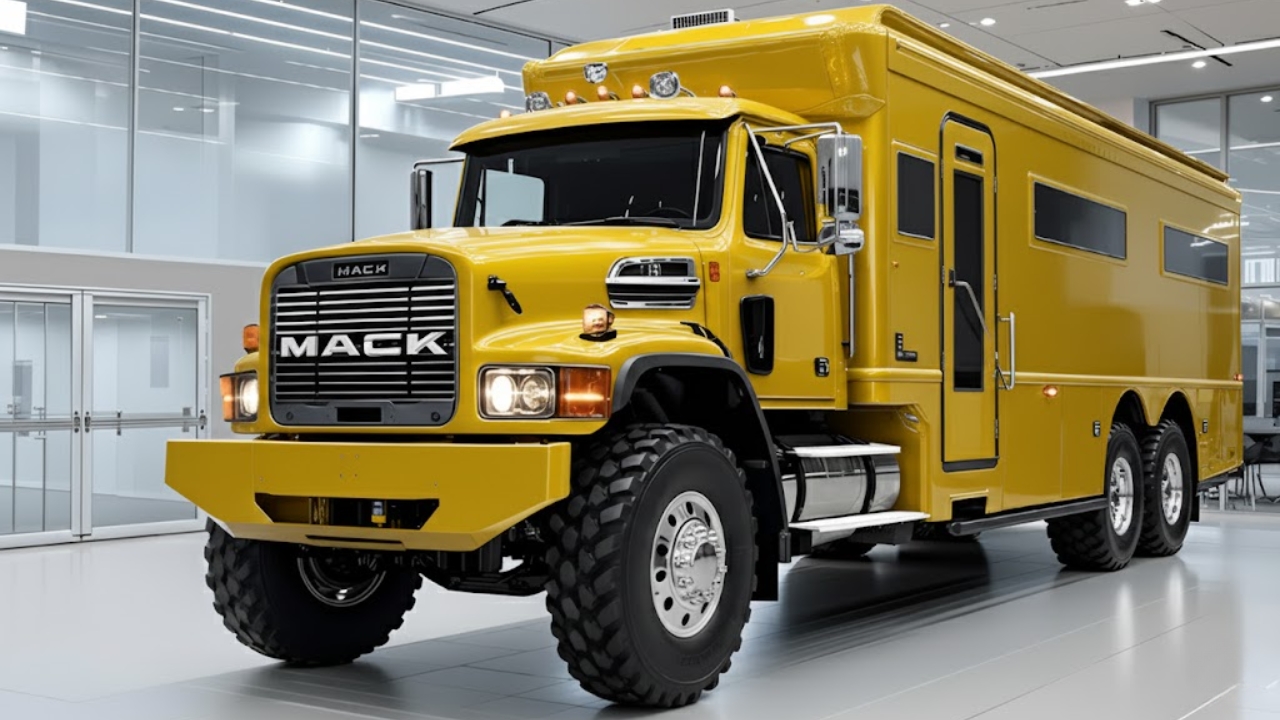
The 2026 Mack Off‑Grid Camper arrives as a bold answer to the growing demand for a vehicle that can live off the grid for weeks, months, or even years without compromising on comfort or capability. Combining a military‑grade chassis with a self‑contained power and water ecosystem, the new Mack is engineered for people who see the world’s most remote corners as their backyard. Whether you are planning a trans‑continental overland trek, a seasonal base camp in the Arctic, or a desert‑to‑coast adventure, this machine promises to keep moving when ordinary vehicles give up.
Design Philosophy
Every line, panel, and component of the 2026 Mack has been scrutinized through a survivalist’s lens. The designers started with a single question: how can a camper survive the worst that nature can throw at it while still offering a livable interior? The answer came in the form of a rugged exoskeleton that protects the occupants, a modular interior that can be re‑configured on the fly, and a suite of autonomous systems that reduce the need for external support. The result is a platform that feels more like a mobile fortress than a recreational vehicle.

Exterior Features
The exterior talent lies in its unapologetic durability. The frame is a high‑strength steel backbone reinforced with composite panels that absorb impacts without cracking. A set of 20‑inch bead‑locked wheels wrapped in all‑terrain tires give the camper a commanding stance, while the independent high‑lift suspension provides up to 20 inches of travel, allowing the vehicle to clear logs, boulders, and deep ruts with ease.
Key exterior assets include:

- A welded‑steel bumper equipped with a 12,000‑lb winch and integrated tow hooks.
- Dual LED floodlights that rotate 360 degrees, offering night‑time visibility that rivals a small searchlight.
- A solar‑panelled, retractable roof that can generate up to 6 kW of power on a clear day.
- Modular roof racks capable of holding up to 2,500 pounds of jerry cans, spare tires, and expedition gear.
- Side‑mounted recovery gear, including a heavy‑duty ladder, a portable air compressor, and a set of hi‑lift jacks.
All of these elements are locked in place with a combination of bolts and quick‑release pins, making field repairs and re‑configurations a matter of minutes rather than hours.
Interior Comfort
Inside, the Mack balances the toughness of its outer shell with a surprisingly warm and adaptable living space. The walls are lined with insulated, vapor‑sealed panels that keep the cabin temperate in both sub‑zero winters and scorching desert afternoons. A central core houses a compact kitchen equipped with a propane‑free induction cooktop, a 45‑liter fridge powered by the vehicle’s battery bank, and a water‑filtration system that can turn river water into drinking quality with a single push of a button.

The sleeping area can be configured as a full‑size bed, a set of couch‑bed combos, or a series of bunks for larger crews, thanks to a series of slide‑in panels and modular foam cushions. A fold‑away work desk provides a stable surface for charting routes, handling paperwork, or even setting up a satellite laptop. The bathroom suite contains a cassette toilet and a compact shower that recycles grey water through an onboard filtration unit, extending the camper’s self‑sufficiency.
Sound‑insulating foam and vibration‑dampening mounts keep the interior quiet even when the suspension is working overtime, granting occupants a place to rest after a grueling day on the trail.

Powertrain and Performance
The 2026 Mack offers two powertrain options: a turbo‑charged diesel delivering 460 horsepower and 1,800 lb‑ft of torque, and a hybrid‑diesel variant that pairs a smaller diesel engine with a 400‑kWh lithium‑titanate battery pack. Both setups are paired with a six‑speed automatic transmission and feature selectable drive modes for sand, mud, rock, snow, and sand‑water.
The hybrid system includes regenerative braking and an integrated solar‑to‑battery controller, allowing the vehicle to recover energy while descending steep grades or during extended daylight periods. With a fuel tank capacity of 700 liters and an estimated range of 2,000 miles on diesel alone, the camper can sustain long‑haul missions without frequent refuelling stops.

Off‑Road Capability
Mack has equipped the camper with a suite of off‑road technologies that give it an edge over typical overland vehicles. The front and rear axle differentials are electronically lockable, while a dedicated crawl gear reduces the gear ratio to a crawl speed of 1.2 mph, providing precise control on technical terrain. The vehicle also employs a terrain‑response system that automatically adjusts throttle response, traction control, and suspension damping based on the selected mode.
Ground clearance stands at 15 inches, complemented by a protected under‑carriage that shields vital components from rocks and debris. The winch, when paired with the onboard hydraulic system, can lift the camper onto a low‑lying obstacle, while the rear deployable cargo platform doubles as a makeshift loading dock for smaller support vehicles.

Technology and Connectivity
Staying connected in remote locations is a cornerstone of the Mack’s design. A satellite antenna perched on the roof provides global GPS navigation, two‑way voice communication, and data streaming for essential weather updates. The central touchscreen console allows the driver to monitor battery status, solar input, water levels, and fuel consumption in real time.
Additional tech features include:

- An emergency beacon that transmits a distress signal with GPS coordinates to rescue services.
- A network of external and internal 1080p cameras that feed into a live‑view monitor, useful for obstacle scanning and campsite security.
- USB‑C, 120 V AC, and 12 V outlets scattered throughout the cabin, providing power for laptops, medical equipment, or hobby drones.
- Over‑the‑air software updates that keep the vehicle’s electronic systems current without the need for a dealership visit.
These systems ensure that the Mack can operate as a self‑contained command center, even on the most isolated outposts.
Safety Systems
Safety is built into every layer of the vehicle. The frame features a roll‑cage design that meets SAE J1088 standards, while side‑impact beams and underbody armor protect occupants from debris and potential wildlife encounters. Autonomous collision‑avoidance sensors scan the surroundings and can apply braking or steering assistance when an obstacle is detected.

In addition, the camper includes integrated fire‑suppression units that can be activated manually or automatically in case of a fuel or engine fire. The braking system is a heavy‑duty, four‑wheel disc setup with ABS and electronic brake‑force distribution, providing confident stopping power on loose gravel or wet mud.
Practicality and Storage
When it comes to carrying the supplies required for extended off‑grid living, the Mack leaves nothing to chance. The rear cargo platform, rated for 2,000 lb, can hold extra fuel drums, spare tires, and a portable workshop. Inside, the cabin offers modular lockers, a sliding pantry, and a dedicated space for a compact generator. A built‑in water tank of 350 liters, along with a secondary 150‑liter reserve, can be replenished via a portable water pump or directly from natural sources using the integrated filtration system.

A set of roof‑mounted utility racks and fold‑out side shelves expands storage capacity without interfering with aerodynamics. Optional accessories include a detachable trailer hitch for larger supply hauls and a cold‑store chest that runs on a dedicated secondary battery, keeping perishables fresh for weeks.
Pricing and Availability
Mack plans to launch three trim levels for the 2026 Off‑Grid Camper:

- Base Explorer – equipped with the diesel engine, standard solar roof, and essential living amenities. Expected starting price: $260,000.
- Adventure Plus – adds hybrid powertrain, upgraded interior finishes, and an expanded water storage system. Expected starting price: $340,000.
- Ultimate Sovereign – includes full armor plating, maximum solar array, dual winches, and a complete off‑road package. Expected starting price: $470,000.
Production is slated for early 2026 at Mack’s dedicated off‑road facility in Michigan, with first deliveries anticipated in the third quarter of the year. Customers can reserve a unit through the Mack website, with a 10 % deposit required to lock in pricing and configuration options.
Final Verdict
The 2026 Mack Off‑Grid Camper redefines what it means to travel without limits. Its blend of military‑grade durability, autonomous power generation, and thoughtfully designed living space makes it a true platform for self‑reliance. While the price tag reflects the premium materials and technology packed into the vehicle, the value lies in the confidence it offers: the ability to venture far beyond the reach of conventional infrastructure and return safely, fully supplied, and comfortable.
For explorers who view the world as a series of challenges rather than obstacles, the Mack remains one of the most compelling options on the market today.
Frequently Asked Questions
1. How long can the hybrid version operate without external charging?
The hybrid system’s 400 kWh battery, combined with the solar roof, can sustain the cabin’s electrical load for up to 14 days in moderate climate conditions, assuming average daily solar exposure of 5 kWh per square meter.
2. Is the camper capable of traversing deep water crossings?
Yes. The intake is positioned high on the chassis, and the vehicle has a water‑wading depth rating of 30 inches, allowing it to safely cross flooded streams and shallow rivers.
3. Can the interior layout be changed after purchase?
All interior panels are mounted on a rail system that lets owners re‑configure sleeping, storage, and work zones without specialized tools. Upgrade kits are available for additional customization.
4. What kind of maintenance does the off‑road suspension require?
Mack recommends a full suspension inspection every 6,000 miles or after any major off‑road event. The shock absorbers are sealed units that typically last 30,000 miles before replacement.
5. Does the vehicle come with a warranty?
The Mack Off‑Grid Camper includes a five‑year/100,000‑mile limited warranty covering drivetrain, powertrain, and structural components, plus an optional extended warranty for electronics and interior fittings.
Disclaimer
The information provided herein reflects the specifications and pricing announced by Mack for the 2026 Off‑Grid Camper at the time of writing. Details are subject to change without notice, and actual performance may vary based on configuration, operating conditions, and user maintenance. Prospective buyers should consult an authorized Mack dealer for the most current data before making a purchasing decision.