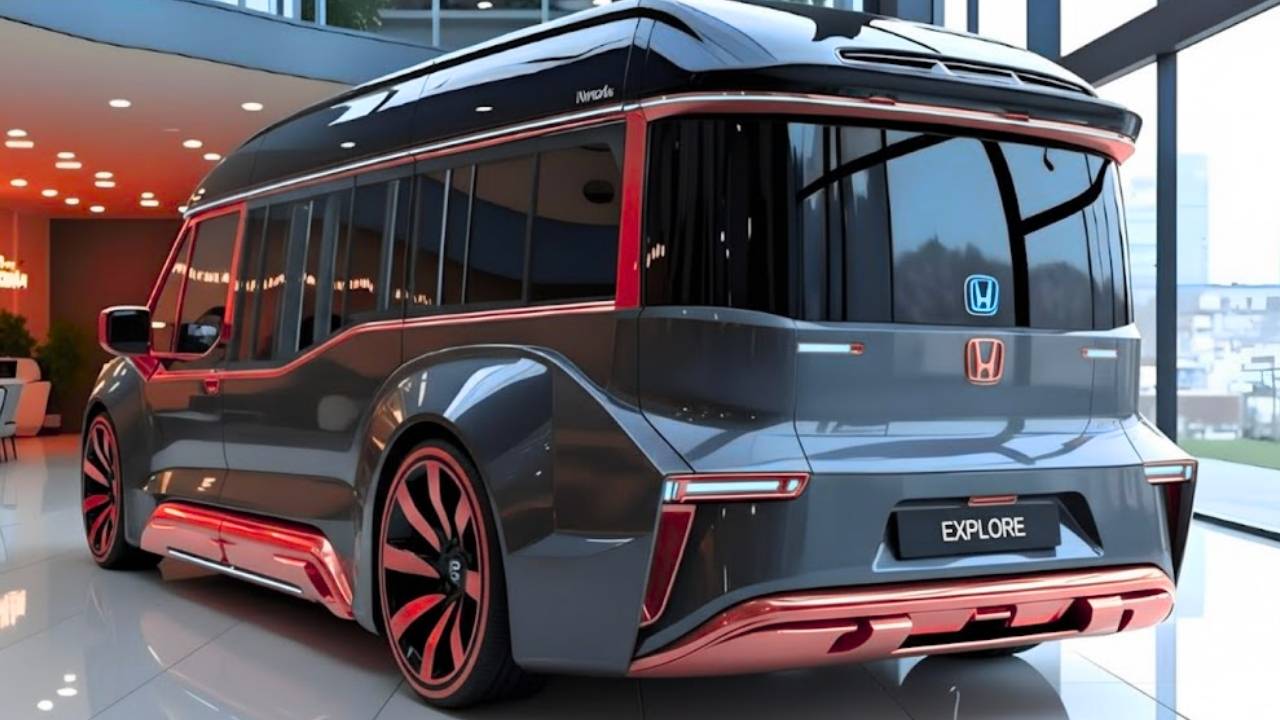
Introducing the 2026 Honda N‑BOX Camper
The 2026 Honda N‑BOX Camper arrives as a fresh answer to the growing demand for tiny, yet fully functional, adventure vehicles. Built on Honda’s long‑standing N‑BOX kei‑car platform, the camper blends everyday practicality with the freedom of road‑trip camping. Whether you’re a solo wanderer, a couple looking for weekend getaways, or a city dweller who wants an easy escape route, the N‑BOX Camper promises a low‑cost, low‑maintenance solution that doesn’t sacrifice comfort or style.
Core Specifications
- Base chassis: 2026 Honda N‑BOX kei‑car
- Seating capacity: Two adults, seats fold flat to create a sleeping platform
- Engine: Small‑displacement gasoline unit tuned for high fuel efficiency
- Dimensions: Compact footprint ideal for tight urban streets and narrow camp sites
- Climate control: Integrated HVAC with roof vents for year‑round comfort
- Safety suite: Honda Sensing (collision mitigation, lane‑keeping assist, adaptive cruise control)
These specs keep the vehicle light on the wallet while still delivering the reliability Honda is known for.

Interior Layout and Smart Design
Inside, the N‑BOX Camper makes the most of every centimeter. The rear seats collapse into a flat sleeping surface that comfortably accommodates two adults, while a series of modular storage bins line the walls for gear, cooking supplies, and personal items. Cup holders, dedicated phone slots, and multiple USB‑A ports are positioned within arm’s reach, ensuring that even on long drives devices stay charged and accessible.
Large, low‑slung windows flood the cabin with natural light, creating an airy feel that belies the vehicle’s modest size. For privacy, an optional curtain system slides into place, and a fine mesh mosquito net can be attached when camping in breezy, insect‑rich environments. Fold‑out tables attach to the side panels, turning the interior into a compact workspace or dining area whenever you need it.
Modern Amenities for Comfortable Travel
Beyond the clever layout, the camper is equipped with a suite of conveniences that make both short trips and extended journeys enjoyable. A built‑in HVAC system, complemented by roof vents, maintains a pleasant cabin temperature while allowing fresh air to circulate. LED lighting strips line the ceiling and footwells, providing low‑energy illumination that can be dimmed for a relaxed evening.
An optional kitchenette module slides into the rear cargo area, featuring a slim countertop, a removable storage drawer, and mounting points for a portable single‑burner stove or a compact 12‑V refrigerator. Power needs are met through an onboard inverter and a dedicated 12‑V socket, while an optional portable power station can be secured under the floor for additional capacity.

Safety and Driver Assistance
Honda has equipped the N‑BOX Camper with the latest iteration of its Honda Sensing suite. Collision mitigation braking helps reduce impact severity in sudden stop scenarios, while lane‑keeping assist gently nudges the vehicle back into its lane if it begins to drift. Adaptive cruise control maintains a set following distance on highways, giving drivers a relaxed experience during longer stretches. These features are especially valuable when navigating unfamiliar roads or when the driver wants to focus on scenery rather than constant speed adjustments.
Driving Dynamics and Practicality
The kei‑car origins give the N‑BOX Camper an agile turning radius and nimble handling that larger RVs simply cannot match. Urban driving feels effortless: parallel parking, squeezing through narrow alleys, and maneuvering into tight campsite spots are all within reach. The suspension balance strikes a sweet spot between comfort on paved streets and enough compliance to handle light off‑road conditions such as gravel paths or country lanes.
Fuel consumption remains impressively low thanks to the small‑displacement engine, making the camper an economical choice for long‑distance travel without the constant worry of frequent fuel stops.
Who Is It Made For?
- Solo adventurers: Easy to drive, simple to set up, and low on upkeep.
- Couples: Two‑person sleeping configuration and enough storage for shared gear.
- Digital nomads: The built‑in work surface, plentiful charging options, and reliable internet connectivity (via mobile hotspot) turn the cabin into a mobile office.
- Urban residents: A vehicle that doubles as a daily commuter and a weekend escape, eliminating the need for a separate car and RV.
Pricing, Packages, and Availability
Honda aims to keep the entry price competitive, targeting a base price that sits comfortably under ¥2,500,000 (approximately US $18,000). Optional add‑ons – such as the kitchenette, power station, and premium interior trims – are sold separately, allowing buyers to tailor the camper to their specific needs without paying for unwanted extras.
Initially slated for the Japanese domestic market, Honda has hinted at phased launches in select overseas regions where micro‑campers are gaining popularity, such as certain Southeast Asian countries and parts of Europe. Interested buyers should stay tuned to official Honda communications for exact release dates and dealer information.
Final Thoughts
The 2026 Honda N‑BOX Camper proves that a tiny footprint does not have to mean a compromise on utility. With its thoughtfully designed interior, modern conveniences, and Honda’s trusted safety platform, the camper stands out as a compelling option for anyone who wants to explore the road without the burden of a full‑size RV. Its affordable price point and easy drivability make it especially attractive to first‑time campers and budget‑conscious travelers seeking flexibility and freedom.

Frequently Asked Questions
1. How much cargo space is available when the rear seats are folded flat?
When the seats are down, the flat sleeping platform reveals a cargo area of roughly 1.2 cubic meters, enough for two sets of luggage, camping gear, and the optional kitchenette module.
2. Can the N‑BOX Camper be registered as a recreational vehicle in other countries?
Registration requirements vary by jurisdiction. In most regions, the vehicle remains classified as a passenger car, but owners can obtain a “motorhome” designation through local authorities if they install the required camping equipment.
3. What is the estimated fuel economy on the highway?
Honda projects a combined fuel consumption of around 4.5 L/100 km (approximately 52 MPG) under typical cruising conditions, making it one of the most efficient campers on the market.
4. Is it possible to install a solar panel system on the roof?
Yes, Honda offers an optional roof‑mounted solar kit that integrates with the vehicle’s electrical system, providing a modest trickle charge for the auxiliary battery and keeping the interior lights and small devices powered during daylight hours.

5. Does the camper come with a warranty?
The N‑BOX Camper is covered by Honda’s standard new‑vehicle warranty, which includes a three‑year or 100,000‑kilometer (whichever comes first) bumper‑to‑bumper guarantee, plus a five‑year unlimited‑kilometer power‑train warranty.
Disclaimer
The information presented here is based on publicly released data, press materials, and preliminary specifications for the 2026 Honda N‑BOX Camper. Details such as pricing, feature availability, and market rollout are subject to change until Honda issues official confirmation. Prospective buyers should consult authorized Honda dealers or official Honda announcements for the most accurate and up‑to‑date information.