Overview
Toyota’s 2026 F‑300 pickup arrives with a clear mission: redefine what a heavy‑duty truck can do in both work and adventure settings. The model pairs a massive, twin‑turbo V8 with a hybrid‑assist system, turning the vehicle into a true power plant capable of pulling and hauling loads that were previously reserved for commercial rigs. While the raw numbers attract attention, the F‑300 also hides a surprisingly refined cabin, an array of driver‑focused technologies, and a chassis built to survive the harshest environments. In this review we walk through the vehicle’s most important attributes, discuss how the truck feels on the road and off‑road, and examine whether the price tag aligns with the value it delivers.
Exterior Design
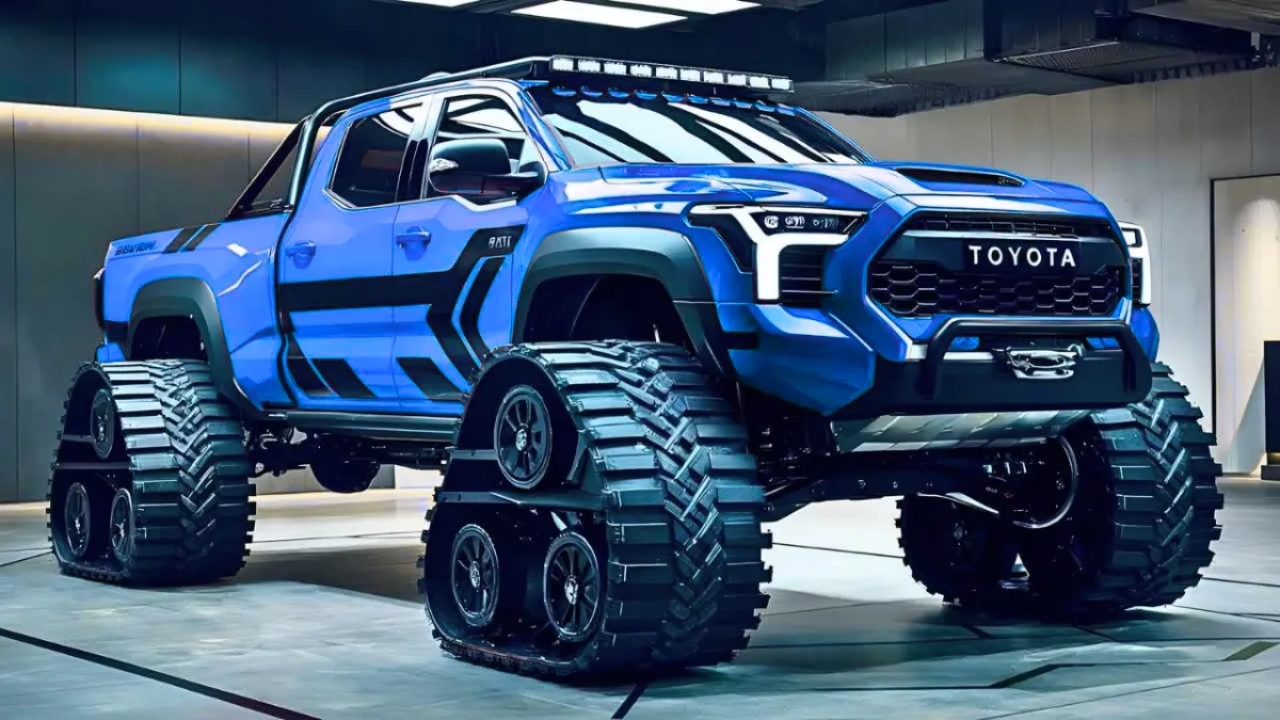
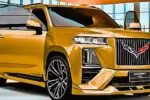
From a distance the F‑300 looks like a truck that was forged for the job site and the backcountry alike. The front fascia features a deep‑drawn grille with integrated active shutters that open for cooling and close for aerodynamics. Heavy‑duty steel bumpers are reinforced with internal bracing, while the lower valance incorporates functional heat extractors to keep the engine bay temperature down during prolonged climbs.

The lighting package consists of a matrix of LEDs that can be programmed for high‑beams, flood‑type off‑road beams, or a combination of both. The headlights sit on a wide‑track that adds to the vehicle’s aggressive stance. Wheel options range from 21‑inch forged alloy to 23‑inch off‑road specific designs, each paired with all‑terrain tires that have reinforced sidewalls.
Underneath, a multilayered chassis incorporates a mix of high‑strength steel and composite panels. The underbody is protected by a modular armor system that can be upgraded with additional plates for rock‑crawling or desert sand protection. Integrated winch mounts, roof‑rack rails with built‑in power distribution, and a rear tailgate that doubles as a workbench complete the exterior’s functional aesthetic.
Interior & Comfort
Step inside and the F‑300 immediately distances itself from the utilitarian cabins of older pickups. The dashboard is a single, sweeping surface dominated by a 17‑inch touchscreen that controls both infotainment and vehicle settings. Soft‑touch materials blanket the door panels, while the seats are upholstered in full‑grain leather with micro‑suede inserts for added breathability.
Both front seats offer heating, ventilation, and a massage function that can be programmed for long haul comfort. The second row benefits from a recline‑and‑slide mechanism that creates a semi‑flat lounge area, complete with integrated USB‑C ports and a dedicated storage pocket. A panoramic roof spanning most of the cabin provides an airy feel, while a specially engineered sunshade reduces glare on bright desert days.

Acoustic insulation is extensive: a combination of laminated glass, acoustic foam, and vibration‑damping bushings creates a near‑silent environment even when the V8 is working at full tilt. The cabin also includes an air‑filtration system that removes dust, pollen, and odors, making it suitable for prolonged periods in dusty or smoky conditions.
Powertrain & Performance
Under the hood sits a 6.2‑liter V8 equipped with triple‑turbochargers that push the output beyond 800 horsepower and more than 1,200 lb‑ft of torque. Toyota’s hybrid assist adds two permanent‑magnet electric motors that provide instant torque fill, eliminate turbo lag, and enable torque‑vectoring to each rear wheel.
The power is delivered through a 10‑speed automatic transmission built for heavy‑load operation. It features a torque‑converter lock‑up and a heat‑management system that keeps the transmission fluid within optimal temperature ranges even during extended towing on steep grades.
A high‑capacity 10‑kWh lithium‑ion battery sits beneath the floor, delivering short bursts of electric power for low‑speed maneuvers and offering a modest electric‑only range for city driving when the load is minimal. The hybrid system also recovers energy during braking, extending fuel efficiency in mixed‑use scenarios.
Off‑Road Capability
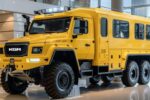
The F‑300’s off‑road credentials are bolstered by a suite of hardware and software features. A selectable 6×6 drivetrain is offered as a factory option, adding a third axle with a locked differential for extreme rock crawling. The multi‑link suspension incorporates adaptive hydraulic dampers that automatically adjust rebound and compression based on terrain input.
The vehicle’s Smart‑Terrain AI reads data from wheel speed sensors, accelerometers, and a forward‑looking lidar array to suggest optimal drive modes: Mud, Rock, Snow, Sand, Haul, and Tow. When engaged, the system tweaks throttle response, differential lock percentages, and suspension height to match the selected surface.

Ground clearance can be raised up to 14 inches thanks to an adjustable air‑suspension system. The F‑300 also carries a water‑cooled intercooler that helps maintain turbo performance in high‑altitude or hot‑climate environments, while a secondary coolant loop protects the engine during prolonged climbs.
Technology & Infotainment
The infotainment platform runs on Toyota’s latest 3‑plus‑1 architecture, which separates safety, navigation, audio, and connectivity functions onto dedicated processors. This layout ensures that critical driver‑assist features remain responsive even when the media system is streaming video.
A 17‑inch touchscreen supports Android Auto, Apple CarPlay, and a native Toyota Connect suite that includes real‑time traffic, weather overlays, and satellite‑based topographic maps. The map system can overlay contour lines and display upcoming steep grades, helping drivers plan routes that suit the truck’s torque curve.
For professional users, a built‑in 400‑volt power outlet on the side panel can run power tools, while a secondary 12‑volt swiveling outlet on the rear tailgate powers lighting rigs or winches. Dual wireless charging pads sit in the center console, and a 24‑speaker 3D surround‑sound system delivers concert‑hall quality audio even when the windows are down.
Safety Features
Toyota equips the F‑300 with a comprehensive driver‑assist suite that is scaled for heavy‑duty use. Adaptive Cruise Control can maintain a set distance behind a lead vehicle while compensating for trailer weight and slope. lane‑keeping assist is tuned to work at lower speeds typical of off‑road maneuvering, providing gentle steering corrections instead of abrupt interventions.
A 360‑degree camera system combines a front‑facing wide‑angle lens, side‑looking fisheye units, and a rear‑view camera into a single bird’s‑eye display. The system includes a “Trailer View” mode that automatically adjusts the perspective to account for the trailer’s length.
Collision mitigation employs high‑resolution radar and lidar to detect obstacles up to 200 meters away, applying progressive braking to avoid or reduce impact. Blind‑spot monitoring extends to trailer blind spots, and a cross‑traffic alert warns of approaching vehicles when backing out of a loading dock.
Inside the cabin, a fatigue‑monitoring camera tracks driver eye‑movement and head position, issuing alerts when signs of drowsiness appear. The high‑strength safety cage is engineered to absorb and redirect crash energy away from occupants, while a set of 10 airbags covers front, side, and curtain zones.

Practicality & Utility
When it comes to real‑world work, the F‑300 offers a suite of features that make daily tasks easier. The bed measures 8.5 feet in length and includes reinforced tie‑down points every 12 inches. Integrated LED strip lighting runs along the side rails, providing illumination for night‑time loading.
A modular storage system under the bed floor allows for swap‑out drawers, a power‑tool organizer, or a refrigerated cooler, depending on the owner’s needs. The rear tailgate folds down to become a sturdy workbench with a built‑in measurement grid, perfect for on‑site repairs.
An optional water tank that can be mounted behind the cab holds up to 150 gallons, equipped with a pump and hose for fire‑suppression or campsite washing. The vehicle’s 400‑volt outlet can power a portable air compressor, a 3‑phase drill, or even a small RV air‑conditioning unit.
Fuel capacity is 34 gallons for the gasoline V8, while the hybrid variant adds an extra 12‑gallon diesel auxiliary tank for extended range when operating in remote areas.
Pricing & Availability
Toyota plans to launch the F‑300 in the United States in the spring of 2026, with production taking place at the company’s North Carolina plant. The base model, equipped with the standard V8 and a conventional 4×2 drivetrain, starts at around $82,500.
The TrailForce Off‑Road package, which includes the 6×6 drivetrain, upgraded suspension, and additional underbody armor, pushes the price to roughly $94,000. The Hybrid Torque Elite trim, featuring the full hybrid powertrain and premium interior appointments, starts near $112,000.
Customers can further customize their trucks with a variety of accessories, ranging from a heavy‑duty winch to a satellite communications system. These options typically add $2,000‑$8,000 depending on the selection. Toyota has announced that a limited set of early‑bird orders will qualify for a complimentary off‑road training day at one of the brand’s partner adventure centers.
Owner Experience
Early test drives with a handful of professional contractors and overland enthusiasts have highlighted the F‑300’s balance between raw capability and everyday usability. Drivers praised the seamless torque delivery during hill climbs, noting that the hybrid assist removed the idle‑rev “wobble” common in large gasoline‑only trucks.
In city traffic, the cabin’s sound isolation and climate control kept occupants comfortable, while the infotainment’s quick response prevented the frustration often reported with older truck interfaces. Off‑road owners appreciated the Smart‑Terrain AI’s ability to suggest the right mode without needing to toggle multiple switches manually.
A common theme among reviewers is the feeling that the truck’s size does not dominate the road; steering is precise, and the adaptive dampers keep the ride composed even when fully loaded. The only consistent critique concerns the fuel economy of the gasoline‑only version, which, given its performance envelope, is expected but still higher than some competitors’ diesel offerings.
Frequently Asked Questions
Q: Is the hybrid system optional or standard on all F‑300 models?
A: The hybrid powertrain is an available option on all trims. The base model comes with a conventional gasoline V8, while the Hybrid Torque Elite trim includes the electric assist as standard equipment.
Q: Can the 6×6 drivetrain be retrofitted to a 4×2 truck after purchase?
A: Toyota has designed the 6×6 configuration as a factory option only. Retrofit kits are not officially supported, and attempting a conversion could void the warranty and affect chassis integrity.
Q: What is the maximum towing capacity when the hybrid system is engaged?
A: With the hybrid assist engaged, the F‑300 can tow up to 24,000 pounds, which is roughly 1,200 pounds more than the gasoline‑only configuration. The exact figure depends on the selected drivetrain and optional equipment.
Q: How does the truck handle cold weather, especially regarding the battery?
A: The F‑300’s battery pack is housed within a thermally insulated compartment and incorporates a liquid‑cooling loop that maintains optimal operating temperatures. In sub‑zero conditions, pre‑conditioning via the Toyota Connect app can warm the battery before departure.
Q: Are there any subscription services required for the advanced driver‑assist features?
A: Core safety features such as adaptive cruise, lane‑keeping, and collision mitigation are included with the vehicle. However, certain premium services like real‑time traffic updates and advanced navigation overlays require a paid subscription after the first year.
Disclaimer
The information presented in this article reflects specifications and pricing announced by Toyota as of the date of publication. Details may change before the vehicle’s final release, and regional variations can affect availability, features, and cost. Readers are encouraged to verify the most current data with an authorized Toyota dealer before making any purchasing decisions.