Introduction
The 2026 Ford F‑100 arrives as a love letter to the iconic workhorse that first rolled off the assembly line in the 1950s. Ford’s engineers have taken the unmistakable silhouette of the original F‑100 and infused it with today’s safety, efficiency, and connectivity standards. The result is a pickup that feels both nostalgic and unmistakably modern, appealing to collectors who cherish heritage as well as to everyday drivers who demand practicality and performance. This review walks through each major area of the new F‑100, from the way it looks on the road to how it behaves when fully loaded.
Exterior Design
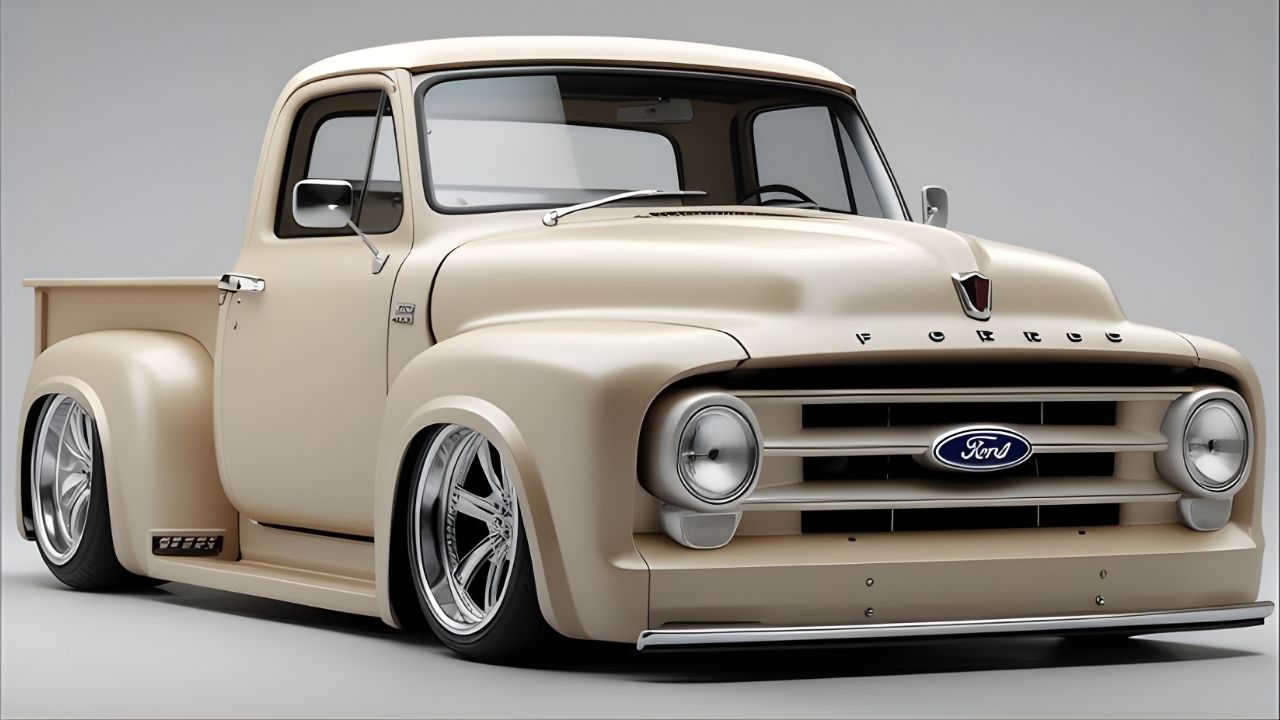
Visually, the 2026 F‑100 is an exercise in restraint and respect for its lineage. The front end features a wide, chrome‑tipped grille that mirrors the rectangular opening of the 1960s model, while LED headlamps sit within a subtle, retro‑shaped housing. Body panels retain the classic boxy proportions, but hidden aerodynamic tweaks—including a sculpted hood, rear diffuser, and flush-mounted side mirrors—help the truck achieve a lower drag coefficient than many of its contemporaries.

Ford offers a palette of two‑tone paint schemes that evoke the era of chrome bumpers and bright tailfins. Buyers can select from traditional hues like Dinamite Yellow paired with a contrasting white roof, or adopt more subdued options such as Deep Forest Green with a matte black roof panel. Optional decal packs add period‑appropriate pinstripes, racing numbers, or custom badging for owners who want to personalize their truck’s appearance further.
Wheel choices range from 18‑inch classic steel rims finished in polished chrome to 22‑inch machined‑aluminum alloys designed for off‑road excursions. Each wheel can be paired with all‑terrain or performance tires based on the intended usage. The cargo bed retains the traditional wooden‑grain look, but modern materials give it the strength and durability needed for heavy loads. Integrated tie‑down loops, a modular tool box, and a retractable tailgate step enhance the bed’s functionality without detracting from its vintage vibe.

Interior and Comfort
Step inside, and the cabin tells a story of harmonizing old‑school charm with contemporary comfort. The dashboard is laid out with clean, rounded corners reminiscent of mid‑century design, yet all gauges are digital, flanked by a classic‑styled analog speedometer that can switch between a retro needle display and a full‑color TFT screen.
Upholstery options include a combination of leather‑look vinyl and woven cloth that features subtle stitching patterns reminiscent of the original F‑100’s bench seats. Heated and ventilated front seats provide year‑round comfort, while a rear bench folds flat to expand the cargo area, mirroring the versatility of the earlier models.

Wood‑grain trim inserts, available in walnut or mahogany, can be added to the dash and door panels, giving the interior a warm, timeless feel. All surfaces are treated with a durable, stain‑resistant coating, making the cabin suitable for work sites as well as weekend getaways. Ambient lighting, adjustable at three intensity levels, adds a modern touch without overwhelming the classic aesthetic.
Technology and Infotainment
While the exterior and cabin lean heavily on heritage cues, the technology suite is decidedly 21st century. A 12.3‑inch touchscreen anchors the center console, running Ford’s latest SYNC 4 platform. The interface is intuitive, offering large icons that can be arranged in a “retro” layout with larger typefaces for easier reading while preserving a nostalgic look.

Standard connectivity includes wireless Apple CarPlay and Android Auto, allowing smartphones to integrate seamlessly with the vehicle’s audio and navigation systems. A premium 10‑speaker sound system delivers clear, balanced audio, and an optional 14‑speaker surround‑sound setup can be added for audiophiles.
Charging needs are covered with two USB‑C ports in the front, a second pair in the rear, and an optional wireless charging pad on the center console. Over‑the‑air updates keep the infotainment software current, and an integrated Wi‑Fi hotspot (available on higher trims) ensures passengers stay connected on long trips.

Powertrain Options
Ford offers two primary powertrains for the 2026 F‑100, each designed to meet different driving priorities.
The base engine is a 3.5‑liter twin‑turbo V6 that produces 380 horsepower and 420 lb‑ft of torque. Paired with a 10‑speed automatic transmission, this unit delivers strong low‑end pull, making it well suited for towing and payload tasks while maintaining fuel efficiency comparable to modern midsize trucks.

For buyers who prioritize eco‑friendliness without sacrificing capability, an optional plug‑in hybrid system combines the same V6 with a 13 kWh battery pack. The hybrid model generates a combined 430 horsepower and can travel up to 45 miles on electric‑only power, allowing short commutes or city driving with zero tailpipe emissions. Both powertrains are available with rear‑wheel or four‑wheel drive, and the drivetrain can be tuned via selectable drive modes—Eco, Normal, Sport, and Off‑Road—to adapt throttle response, steering weight, and suspension stiffness to the situation at hand.
Driving Dynamics
Ford has invested heavily in chassis engineering to ensure the F‑100 feels planted regardless of the terrain. An independent front suspension with multi‑link geometry works in concert with a multi‑link rear setup, delivering a balance between ride comfort and precise handling. Adjustable dampers are standard, allowing drivers to select a softer setting for highway cruising or a firmer configuration for rugged back‑country trails.

The steering system provides a direct, communicative feel, with just enough feedback to keep the driver engaged without becoming twitchy. Braking performance is bolstered by four‑wheel ventilated discs with an optional high‑performance brake kit for those who demand shorter stopping distances when hauling heavy loads.
Overall, the truck feels nimble for its size, offering a confident ride in city traffic, steady composure on the highway, and enough articulation to navigate moderate off‑road obstacles.

Safety Suite
Safety has been a central focus for the 2026 F‑100. Standard driver‑assist technologies include adaptive cruise control with stop‑and‑go functionality, lane‑keeping assist, and automatic emergency braking that can detect both vehicles and pedestrians. A blind‑spot monitoring system with rear cross‑traffic alert helps drivers safely change lanes and back out of parking spots.
The cabin is built around a reinforced high‑strength steel safety cell, and the vehicle houses a total of eight airbags—front, side, curtain, and knee—providing comprehensive protection in the event of a collision. A trailer sway control system monitors the movement of a towed load and applies corrective braking to keep the truck stable.

Parking assistance comes via a 360‑degree camera system with split‑view options, making maneuvering into tight spots less stressful. All of these features work together to create a confident driving environment for both novice and experienced motorists.
Practicality and Utility
The F‑100 maintains the workhorse reputation that made its ancestors essential to farms, construction sites, and small businesses. The cargo bed measures 6.5 feet in length and is outfitted with factory‑installed tie‑down points, a removable bed liner, and a modular storage system that can be arranged to hold tools, ladders, or outdoor gear.

An optional Power‑Up Bed Module adds a power outlet, USB ports, and a 12‑volt socket, turning the bed into a mobile workstation. Roof racks, a hard‑top camper shell, and a slide‑in camper conversion kit are all available as factory accessories, extending the truck’s capabilities for over‑landing and weekend adventures.
Inside, the rear bench folds flat, increasing the interior cargo capacity to over 50 cubic feet when needed. The cabin features a rear‑center console with cup holders, storage bins, and a small cooler compartment, ensuring that the driver and passengers have everything within reach.
Pricing and Availability
Ford is positioning the 2026 F‑100 as a premium yet attainable entry into the retro‑pickup market. Pricing is expected to start around $42,500 for the base V6 model with rear‑wheel drive and standard equipment. The hybrid variant adds roughly $4,500, while four‑wheel drive adds another $2,000 across the board.
Trim levels include:
- Classic Edition – the most straightforward configuration, featuring essential safety and tech features.
- Adventure Package – adds all‑terrain tires, a suspension lift, and off‑road drive modes.
- Heritage Premium – adds premium leather upholstery, wood trim, and the larger 22‑inch wheels.
Optional accessories such as the Power‑Up Bed Module, custom decal sets, and the camper shell can push the final price into the $55,000–$60,000 range for fully loaded builds. Production is slated to begin in the spring of 2026, with shipments to dealerships nationwide later that summer.
Final Thoughts
The 2026 Ford F‑100 succeeds in delivering a vehicle that feels both a tribute to its storied past and a modern, capable pickup for today’s demands. By marrying retro styling cues with cutting‑edge powertrains, connectivity, and safety technology, Ford has created an offering that resonates with a wide audience—from nostalgic collectors to families looking for a reliable daily driver.
Its blend of robust performance, comfortable interior, and thoughtful utility features makes the new F‑100 a compelling choice in a segment that is increasingly crowded with high‑tech, high‑price alternatives. For anyone who wants a truck that tells a story while still performing admirably on the road, the 2026 F‑100 stands out as a concise example of how heritage and innovation can coexist without compromise.
Frequently Asked Questions
1. How does the fuel economy of the hybrid F‑100 compare to the gasoline V6?
The plug‑in hybrid version averages about 28 mpg combined (city/highway) when operating in blended mode, while the pure gasoline V6 averages approximately 22 mpg combined. When driven in electric‑only mode, the hybrid can achieve up to 45 miles of zero‑emission driving.
2. Can the F‑100 tow a trailer larger than 7,500 lb?
When equipped with the optional heavy‑duty cooling package and the 4×4 drivetrain, the maximum towing capacity rises to 9,000 lb. This makes the truck suitable for most recreational boat trailers and medium‑size utility trailers.
3. Is the 360‑degree camera standard on all trims?
Yes, the 360‑degree camera system is included as a standard safety feature across every trim level. Higher trims add additional camera views and a larger display screen.
4. What warranty coverage does Ford provide for the new F‑100?
Ford offers a 3‑year/36,000‑mile bumper‑to‑bumper warranty, a 5‑year/60,000‑mile powertrain warranty, and a 10‑year/100,000‑mile corrosion warranty for the body panels.
5. Are there any special financing or lease programs for early adopters?
Ford has announced introductory lease rates and low‑interest financing options for customers who place an order before the official launch date in June 2026. Specific terms will be disclosed by participating dealerships.
Disclaimer
The specifications, pricing, and availability details presented in this article are based on information released by Ford as of the date of writing. Final specifications, options, and pricing may vary by region, dealer, and production date. Please consult an authorized Ford dealer for the most current and accurate information.