Introduction
BMW’s compact‑luxury SUV segment gets a fresh contender with the 2026 X1. While the model retains the familiar silhouette that has made the X1 a bestseller, every surface has been re‑imagined for a more athletic stance, a quieter cabin, and a powertrain lineup that leans heavily into electrification. The result is a vehicle that feels both familiar and forward‑looking, ready to serve city commuters, weekend explorers, and families who demand a premium feel without the bulk of a larger SUV.
Exterior Design
The new X1 arrives with sharper lines and a wider track that instantly gives it a more planted look. The front fascia is dominated by a re‑engineered kidney grille, now slimmer but with a deeper inlet that improves airflow to the cooling system. Thin LED headlights follow the classic BMW “L‑shaped” signature, while the daytime running lights stretch wider across the bumper, adding a touch of modern aggression.

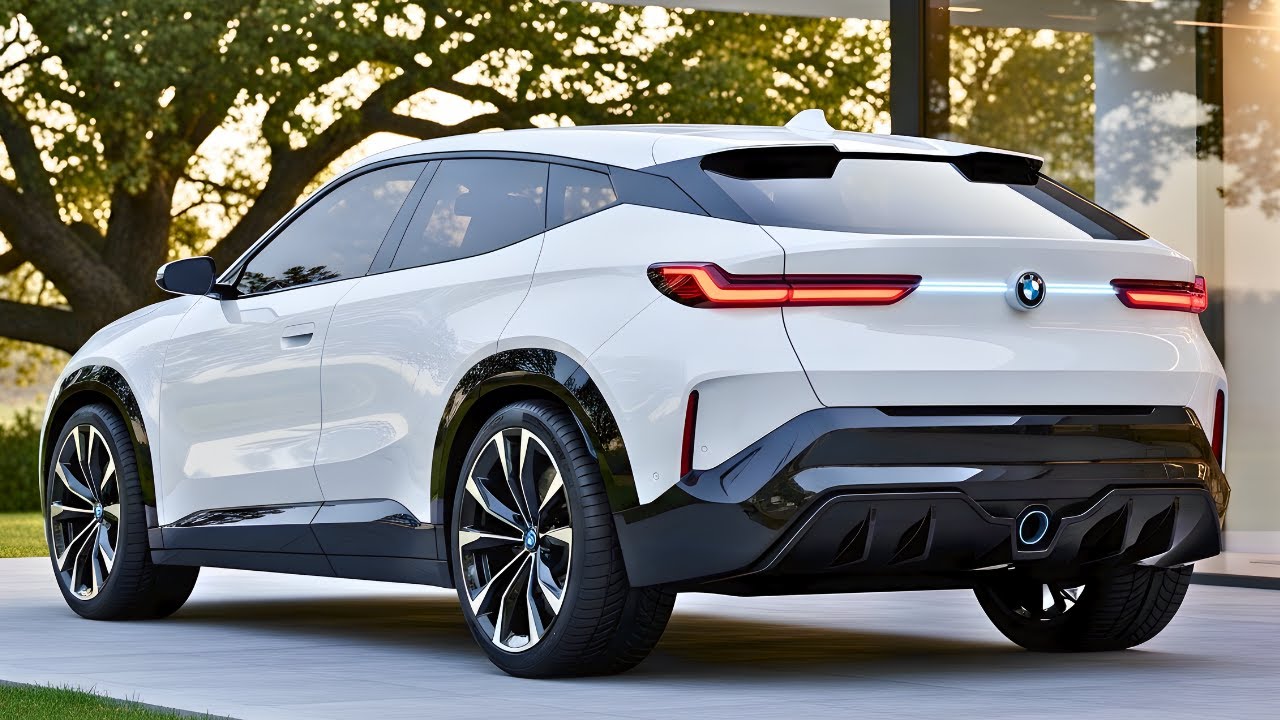
Side panels feature a more pronounced character line that runs from the front wheel arch to the rear, accentuating the car’s length. Flush‑mounted handles replace the traditional protruding knobs, reducing drag and giving the doors a cleaner appearance. Wheel options range from 18‑inch dual‑spoke designs to 20‑inch sport variants, all finished in matte black or polished alloy depending on the chosen trim.
At the rear, the X1 sports a full‑LED light bar that spans the width of the vehicle, delivering a striking visual cue at night. The new diffuser adds a subtle diffuser effect, while the integrated roof spoiler hints at the car’s sporty intentions without being overbearing. Paint choices include a fresh “Alpine Glacier” metallic, a deep “Midnight Sapphire,” and a classic “Helios Yellow” for those who like to stand out.

Interior and Comfort
Step inside and the cabin reveals a blend of tactile luxury and digital refinement. Soft‑touch surfaces are paired with brushed aluminium accents, creating a cockpit that feels both warm and high‑tech. The seats are upholstered in a new grain‑leather that offers a supple feel while resisting wear. Both front seats now provide a 10‑way power adjustment, heating, and ventilation, while the rear bench can be slid forward or backward in 20‑mm increments to tailor legroom to the occupants.
A floating dashboard houses two high‑resolution screens: a 12.3‑inch digital instrument cluster that can be customized with traditional analog dials or a sport‑focused layout, and a 14.9‑inch central infotainment display that runs the latest BMW Operating System 8. The system supports wireless Apple CarPlay and Android Auto, over‑the‑air updates, and a suite of native apps.

Ambient lighting comes in ten colour zones, allowing drivers to set the mood for a night drive or a daytime commute. A panoramic glass roof stretches over both rows, flooding the cabin with natural light and making the interior feel more spacious. Noise‑cancelling acoustic glass, along with additional sound‑deadening material in the floor, ensures a serene environment even at highway speeds.
Infotainment and Connectivity
BMW has placed connectivity at the heart of the 2026 X1. The dual‑screen setup can be split into separate zones, letting the driver monitor navigation while the passenger streams media. Voice control has been upgraded with a natural‑language model that understands context, so commands like “Find a charging station on the way home” are processed without a hitch.

Charging is made convenient with four USB‑C ports capable of 100 W fast charging, a wireless charging pad that can keep a smartphone at an optimal temperature, and a 12 V power outlet for legacy devices. The optional Premium Sound package features a 14‑speaker Harman Kardon array, delivering crystal‑clear audio that fills the cabin evenly.
A 360° camera system stitches together feeds from four lenses, presenting a “bird’s‑eye” view on the infotainment screen. The new “Transparent View” option overlays the camera feed with a semi‑transparent rendering of the vehicle’s outline, making tight parking maneuvers easier than ever. Additionally, the X1 supports OTA software updates, meaning new features and bug fixes can be delivered without a dealership visit.

Powertrain Options
The 2026 X1 marks BMW’s most significant move toward electrified driving in the compact segment. Buyers can choose between three powertrains:
230i Petrol – A 2.0‑liter turbocharged four‑cylinder delivering 228 hp and 258 lb‑ft of torque, paired with an eight‑speed automatic. It offers brisk acceleration while keeping fuel consumption in the low 30 mpg range.

330e Plug‑In Hybrid – Combines the same 2.0‑liter engine with an electric motor for a combined output of 292 hp and 332 lb‑ft. The 12 kWh battery permits up to 35 miles of pure electric driving, ideal for daily commutes. When the battery depletes, the system seamlessly switches to hybrid mode, achieving an impressive 70 mpg‑equivalent rating.
X1 xDrive30e – For markets that demand all‑wheel traction, this variant pairs the hybrid system with BMW’s xDrive, delivering 300 hp to the wheels and a modest increase in off‑road capability without sacrificing efficiency.

All three models feature a start‑stop system, regenerative braking (with adjustable levels), and a lightweight aluminium‑reinforced chassis that reduces overall weight by up to 80 kg compared with the previous generation.
Driving Dynamics and Ride Comfort
BMW has always emphasized driver engagement, and the 2026 X1 is no exception. The chassis utilizes a high‑strength steel frame with aluminium sub‑components, delivering a 12 % increase in torsional rigidity. The front suspension adopts a double‑wishbone design, while the rear now features a revised multi‑link setup that improves both handling precision and ride comfort.

Adaptive dampers are standard across the range, automatically adjusting firmness based on road conditions and driver inputs. The sport mode sharpens throttle response, stiffens the steering, and lowers the ride height by 10 mm, giving the X1 a more planted feel on twisty roads. Conversely, the eco mode softens the pedal response and extends regenerative braking, maximizing electric range.
Steering is electric‑assisted but retains a lot of feedback, allowing drivers to feel the road surface while still benefiting from reduced effort. Braking performance has been upgraded with larger ventilated discs at the front and a two‑piece caliper design, delivering confident stop distances even under repeated hard braking.

Safety and Driver‑Assistance Features
Safety remains a cornerstone of the X1. Standard equipment includes a comprehensive suite of driver‑assistance technologies:
- Adaptive cruise control with stop‑and‑go functionality, capable of maintaining a set gap in congested traffic.
- Lane‑keeping assist that provides gentle torque to keep the vehicle centered, with active lane‑change assist for hands‑free maneuvering on highways.
- Automatic emergency braking that can detect pedestrians, cyclists, and larger animals, applying full brake pressure if a collision is imminent.
- Blind‑spot monitoring paired with rear cross‑traffic alert, both visualized on the side mirrors and the central display.
- Parking Assistant Professional, which can take over steering, throttle, and braking at low speeds to execute parallel and perpendicular parking maneuvers.
The cabin is built around a high‑strength safety cell, reinforced with hot‑formed steel pillars. Six airbags, including a driver’s knee airbag, provide comprehensive passive protection. The vehicle also features a tyre pressure monitoring system with an automatic inflation function for the hybrid models.

Practicality and Everyday Use
Despite its athletic stance, the X1 retains the generous practicality that has made its predecessors popular. The cargo bay measures 31 cubic feet with the rear seats upright, expanding to over 65 cubic feet when the rear bench is folded flat. The power‑folding rear seats operate with a single button press, and a sliding mechanism lets occupants fine‑tune legroom in 20‑mm increments.
Storage solutions include a deep centre console, door pockets with magnetic closures, and a dedicated compartment for a 12‑V power bank. The vehicle’s roof rails are reinforced to support up to 150 kg, allowing for roof‑mounted luggage or sport equipment. All exterior seals have been upgraded to improve resistance against water ingress and road salt, contributing to a longer lifespan in harsh climates.
Pricing and Market Position
BMW positions the 2026 X1 to compete directly with the Audi Q3, Mercedes‑Benz GLA, and Volvo XC40. The base 230i model starts at approximately $38,900, while the 330e hybrid begins around $45,200. Adding the xDrive system pushes the price into the $48,500‑$51,000 bracket, depending on options.
Optional equipment includes the Premium Sound package ($2,200), a full‑size panoramic roof ($1,800), and a suite of bespoke interior trim choices that can raise the final price by $2,500‑$5,000. BMW also offers a flexible leasing programme with attractive rates for hybrid models, encouraging eco‑conscious customers to make the switch.
Final Thoughts
The 2026 BMW X1 feels like a natural evolution rather than a radical overhaul. Its sharper exterior, refined interior, and hybrid powertrain options give it relevance in a market that increasingly values efficiency without compromising driving pleasure. The blend of technology, safety, and practicality makes it a compelling choice for buyers who want a premium badge in a compact footprint. Whether navigating tight city streets, cruising on the autobahn, or tackling a weekend getaway, the new X1 delivers on the promise of “Ultimate Driving Machine” in a size that fits modern lifestyles.
Frequently Asked Questions
1. How long does the electric‑only range last on the 330e hybrid?
Under typical mixed‑city driving, the 330e can travel up to 35 miles on a full charge before the gasoline engine assists. Real‑world figures depend on driving style, temperature, and accessory use.
2. Is the xDrive system available on the pure‑petrol 230i model?
Yes. BMW offers an optional xDrive package for the 230i, which adds an all‑wheel‑drive system without the hybrid components. This configuration is ideal for customers in regions with frequent rain or light snow.
3. What warranty coverage does BMW provide for the hybrid battery?
The hybrid battery is covered under a separate eight‑year or 100,000‑mile warranty, whichever comes first. It includes defects in materials and workmanship as well as a guaranteed minimum capacity of 80 % throughout the period.
4. Can the digital instrument cluster be replaced with an analog display?
While the default layout is digital, the system includes a “Classic” theme that mimics traditional analog dials. However, a fully mechanical gauge cluster is not offered as an option.
5. How does the X1 compare to the previous generation in terms of fuel efficiency?
The base 230i sees an improvement of roughly 5 mpg, while the 330e hybrid gains a 15‑percent boost in combined fuel consumption thanks to the larger battery and refined engine calibration.
Disclaimer
The specifications, pricing, and feature availability listed above are based on information released by BMW as of the date of writing. Exact details may vary by market, trim level, and optional equipment. Prospective buyers should consult an authorized BMW dealer for the most current data and personalized quotations.