Lamborghini’s 2026 Lanzador Torpedo: An Electric Hypercar That Feels Like a Spaceship
Lamborghini has taken the plunge into a fully electric future with the 2026 Lanzador Torpedo. The Italian marque is not merely swapping a V12 for batteries; it is rewriting the rules of what a hypercar can be when electricity replaces combustion. From its razor‑sharp silhouette to a cockpit that looks more like the cockpit of a fighter jet, the Torpedo is built to dominate the high‑performance EV segment while still carrying the unmistakable Lamborghini DNA.
A Design That Looks Faster Than It Moves
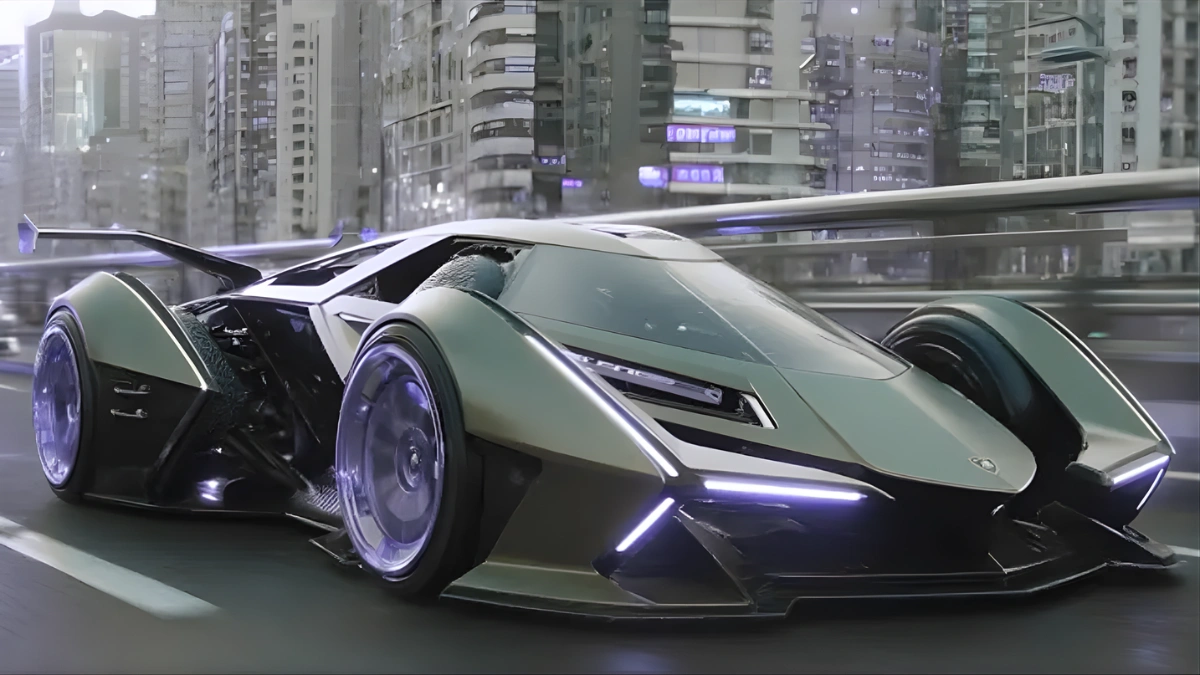
Every line on the Lanzador Torpedo has been sculpted with speed in mind. The front end is dominated by an aggressive splitter that channels air around the wheel arches, while active aerodynamic flaps on the sides slide in and out depending on speed and cooling needs. At the rear, a massive diffuser and an adjustable spoiler generate massive downforce without sacrificing the car’s sleek roofline.

Lamborghini’s signature Y‑shaped LED lights stretch across the front and rear, giving the car a futuristic glow that fits the electric theme. The body panels are made from a lightweight carbon‑fiber weave, and many of them are “active,” meaning they can change their angle at the push of a button to optimise aerodynamic efficiency on a straight line or during a cornering sequence.
Pure Electric Powertrain – Dual Motors, Unbridled Acceleration
Under the sculpted skin sits a pair of high‑output permanent‑magnet synchronous motors, one on each axle, delivering a combined output in the range of 1,300 to 1,500 horsepower. The instant torque of electric motors propels the Torpedo from 0 to 100 km/h in under two seconds, a figure that puts it ahead of most internal‑combustion hypercars and even many of its electric peers.

The all‑wheel‑drive layout is paired with an active torque‑vectoring system that constantly monitors wheel slip and dynamically distributes power to keep the car planted. A low centre of gravity, courtesy of the flat battery pack, further enhances stability at the limit.
Solid‑State Battery, Range, and Energy Management
Lamborghini is expected to equip the Lanzador Torpedo with a next‑generation solid‑state battery pack. While exact capacities are still under wraps, the chemistry promises a higher energy density than conventional lithium‑ion cells, resulting in a weight reduction and a longer range. Early estimates suggest a WLTP‑type range of around 500 km, which is impressive considering the car’s performance envelope.

The energy‑management system is proactive: regenerative braking is tuned to capture as much kinetic energy as possible, while an intelligent thermal control unit keeps the battery within an optimal temperature window during aggressive track use. Aerodynamic channels also double as cooling ducts, directing airflow where it is needed most.
A Cockpit Inspired by Fighter Jets
Step inside the Torpedo, and you are greeted by a driver‑centred environment that feels more like a fighter aircraft than a road car. The steering wheel is replaced by a slim, steer‑by‑wire yoke that integrates tactile feedback. All critical information is projected onto a curved, 3D digital display that wraps around the driver’s field of view, delivering speed, torque, battery state, and lap telemetry in real time.

Haptic controls replace many traditional buttons, allowing the driver to adjust drive modes, suspension stiffness, and aerodynamic settings without taking eyes off the road. Premium Alcantara and carbon‑fiber finishes keep the cabin luxurious while remaining lightweight. An AI‑assisted driving assistant monitors road conditions and can suggest performance tweaks or brake interventions for maximum safety.
Pricing, Production, and Market Position
Lamborghini plans to launch the Lanzador Torpedo globally between late 2025 and early 2026, with an initial production run limited to a few hundred units. Pricing is expected to fall between ₹4.5 crore and ₹6 crore (approximately $540,000–$720,000), positioning the car firmly in the ultra‑luxury segment.

Direct competitors include the Rimac Nevera, the forthcoming Tesla Roadster, the Pininfarina Battista, and future Ferrari electric models. The Torpedo’s blend of extreme power, cutting‑edge aerodynamics, and an exclusive production volume should appeal to collectors who view a hypercar as both a status symbol and an investment.
Looking Ahead: What the Torpedo Means for Lamborghini
The Lanzador Torpedo is more than a single model; it signals Lamborghini’s commitment to an electrified future without surrendering the brand’s core values of drama, performance, and design excellence. By embracing solid‑state battery technology and active aerodynamics, the company is laying the groundwork for the next generation of hybrid and fully electric Lamborghinis.

If the Torpedo lives up to its promises, it could become a benchmark for electric hypercars, forcing rivals to rethink how they combine power, efficiency, and emotional appeal. Enthusiasts will be watching closely as the prototype moves from the drawing board to the streets.
Frequently Asked Questions
1. How long will it take to charge the Lanzador Torpedo?
Lamborghini has not disclosed exact charging times, but the solid‑state pack is expected to support fast DC charging up to 350 kW, allowing an 80 % charge in roughly 15–20 minutes.

2. Will there be a conventional gearbox?
No. The Torpedo uses a single‑speed reduction gear for each motor, as is typical for high‑performance EVs, ensuring seamless power delivery.
3. What kind of warranty does Lamborghini offer for the battery?
The brand is expected to provide an 8‑year or 150,000‑km warranty on the battery, covering capacity degradation below a specified threshold.

4. Can the driver customize aerodynamic settings?
Yes. Through the digital cockpit interface, the driver can select preset aero modes or manually adjust active flaps for optimum downforce or reduced drag.
5. Is the Lanzador Torpedo road‑legal in all markets?
Lamborghini is developing the car to meet global road‑legal requirements, but specific homologation may vary by region, especially concerning lighting and emissions‑related regulations (which are minimal for EVs).

Disclaimer
All specifications, performance figures, and pricing mentioned above are based on publicly available information and manufacturer statements that may change before the official launch.